



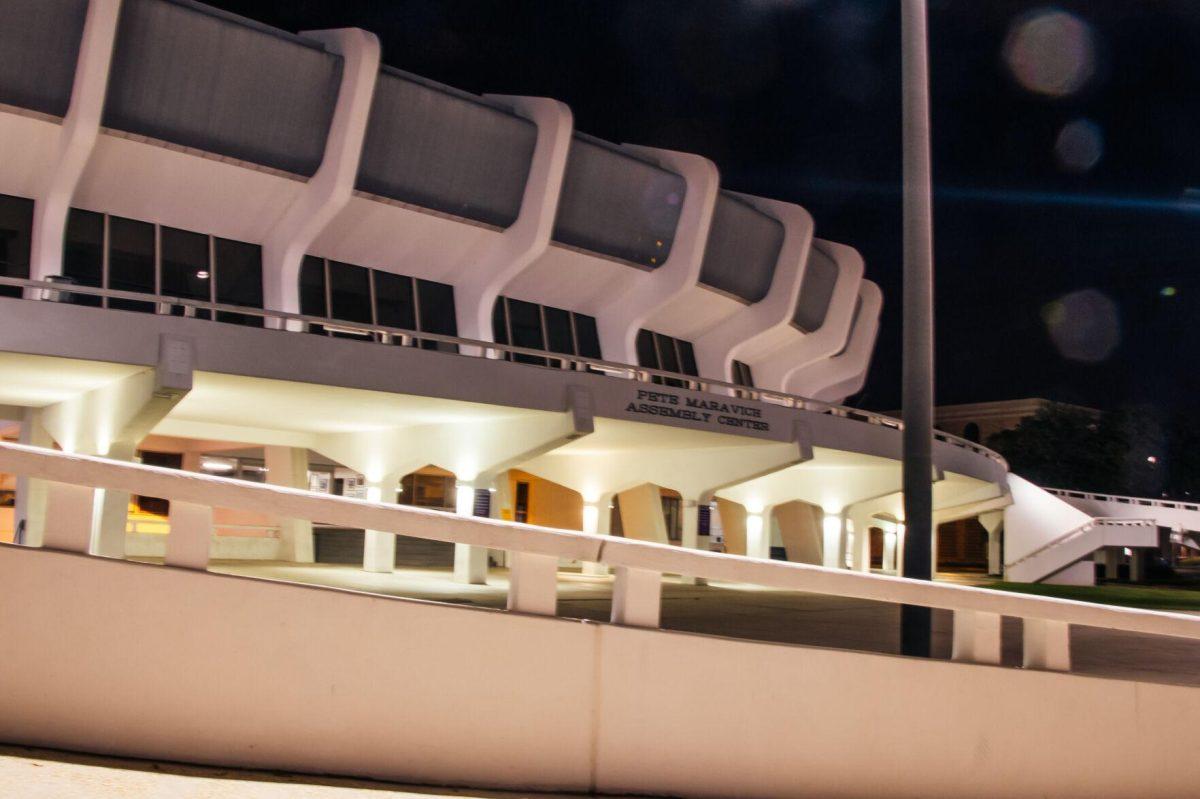
The East Baton Rouge Parish Metro Council voted unanimously Wednesday to approve a sales tax plan within a part of LSU’s property.
During the meeting, community leaders said that tax will eventually be used to fund a proposed new LSU arena — though some officials say the use for the tax hasn’t been determined.
The $400 million project to construct the arena that’ll succeed the PMAC, house LSU’s basketball programs and draw high-profile concerts and other events to the city has been subject to public debate. Supporters say it’ll be “transformative” for Baton Rouge.
The ordinance approved Wednesday authorizes a 1% sales tax within the LSU Economic Development District created by the Legislature in 2023. It will include businesses around Tiger Stadium as well as on Nicholson, Burbank and Highland roads.
Tiger Athletic Foundation attorney Charles Landry, who helped draft the legislation creating the district, told the council it followed years of work to give LSU and Southern University access to new development tools.
Opponents say the tax structures were designed to shut out voters, since the district boundaries were drawn to exclude residents — it includes businesses but no residents, meaning all taxes aren’t subject to voter approval.
Woody Jenkins, Chair of the parish Republican Party, said 109 businesses would be affected, calling the measure “a scam” that violates the state constitution’s cap on local sales taxes. With the additional sales tax, Jenkins says these businesses will be “the highest taxed people in Louisiana.”
Former legislator Shirly Bowler pointed out that customers would feel some of that effect.
“The voters were deliberately carved out, but they’re the ones that are going to be paying the one cent extra when they make a purchase,” Bowler said. “When these students walk to the restaurant or the laundromats or the grocery stores or the bookstores in their district, they’ll be paying the extra 1%, they have no voice in this.”
A draft agreement obtained by The Advocate between the developer group and LSU Foundation showed the arena could be funded by rebates of local and state sales taxes. However, those terms are no longer accurate, The Advocate was told Wednesday.
According to The Advocate, Landry said the tax passed Wednesday was unrelated to the arena project.
The Tiger Athletic Foundation is leading negotiations with Oak View Group, the sole finalist to build the arena.
Oak View Group’s involvement in the project has drawn scrutiny after former CEO Tim Leiweke was indicted by the U.S. on charges of rigging the bidding process for a previous project to build the Moody Center in Austin, a facility LSU has cited as a model for the new arena.
LSU Athletics spokesperson Zach Greenwell said that no development agreements with Oak View Group have been finalized.


