Two weeks ago, as college students across the country prepared to start their fall semesters and the LSU football team prepared for its season opener at Clemson, New Orleans grieved.
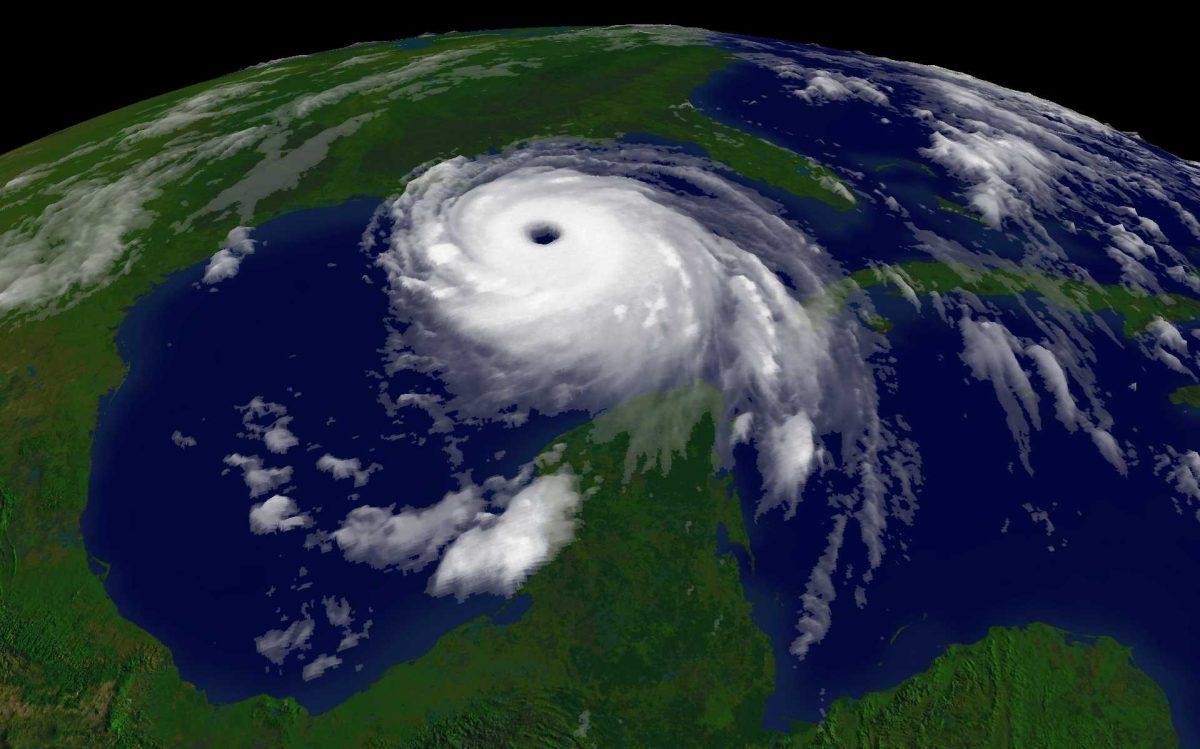
August 29 marked the 20th anniversary of Hurricane Katrina, a generation-defining natural disaster that killed nearly 1,400 people and left thousands more stranded on the rooftops of their flooded homes.
The day was bittersweet.
On one hand, we were reminded of the sheer magnitude of the catastrophe. News channels circulated images of abandoned houses spray painted with red Xs, commentators decried the Bush administration’s botched disaster response and lower 9th Ward residents laid bare the hurricane’s lasting impact on Louisiana’s most populous city.
On the other, our collective response to Hurricane Katrina is perhaps this state’s greatest show of solidarity. From the Red Cross to the Cajun Navy, Chalmette to the Caesars Superdome, Louisiana banded together to keep its most vulnerable communities above water — literally.
I found this duality particularly striking in a CBC clip I came across last week. In it, a crowd of predominantly New Orleans city leaders march across the Hurricane Katrina Memorial, holding wreaths and pictures of lost loved ones. Leading the march, a local jazz master played a cover of Louis Armstrong’s “When the Saints Go Marching In.”
An upbeat tune normally reserved for Mardi Gras parades, the jazz master’s performance might seem an inappropriate backdrop to what would otherwise appear to be a funeral procession. But it felt fitting. It captured the audacious hope of a city underwater, a city that has suffered, mourned and moved forward.
Grief is powerful.
Of course, grief is also in many ways a privilege. In her 2009 book Frames of War, philosopher Judith Butler posits that grievability is the presupposition of a life that matters. To be grieved is to be loved and to be able to grieve is to have time — a luxury that, for many, is swept up in the tide.
The effects of Hurricane Katrina are a grievable catastrophe. It has all of the makings of a spectacle: it was loud, severe and big. It swept up the Big Easy, which, to paraphrase Harry Connick Jr., had been America’s largest repository of sin, salvation, sex and sanctification.
But how can we grieve cities that suffer in silence?
According to the Coastal Protection and Restoration Authority’s latest estimates, Louisiana has lost nearly 2,000 square miles of land since the 1930s and stands to lose over 3,000 more over the next 50 years.
Unlike Katrina, land loss isn’t a spectacle. It happens slowly, quietly and imperceptibly. The towns it affects aren’t metropolises; they’re so rural that they scarcely register on maps. Yet for these communities, every drop of rain is a catastrophe. Any day could be a disaster.
Perhaps for this reason, state authorities have understood land loss as an abstract, structural phenomenon. The CPRA’s most recent Coastal Master Plan purports to invest in hundreds of technologies that, if properly installed, will end coastal land loss.
One wonders how the architects of the Master Plan hope to answer a problem brought about by humans attempting to control the environment with more control — and when policymakers will start regulating the oil and gas companies that are responsible for land loss.
But more importantly, we focus so much on the future that we fail to consider the needs of communities that are losing their homes here and now. They are rendered invisible and ungrievable, left to rebuild their lives without help and often in destitute poverty.
In 2018, a group of Native Americans in Isle de Jean Charles became Louisiana’s first environmental refugees. In the years since, many of them have resettled in Houma, awaiting federal assistance that has trickled in so slowly that many are convinced it may never come.
I wonder what it must be like to lose your home and not have the time to cry.
So as we remember Katrina, I make one plea: don’t just grieve the dead that make headlines. Mourn those who have been relegated to the margins.
Cade Savoy is a political science and philosophy major from Breaux Bridge, La.