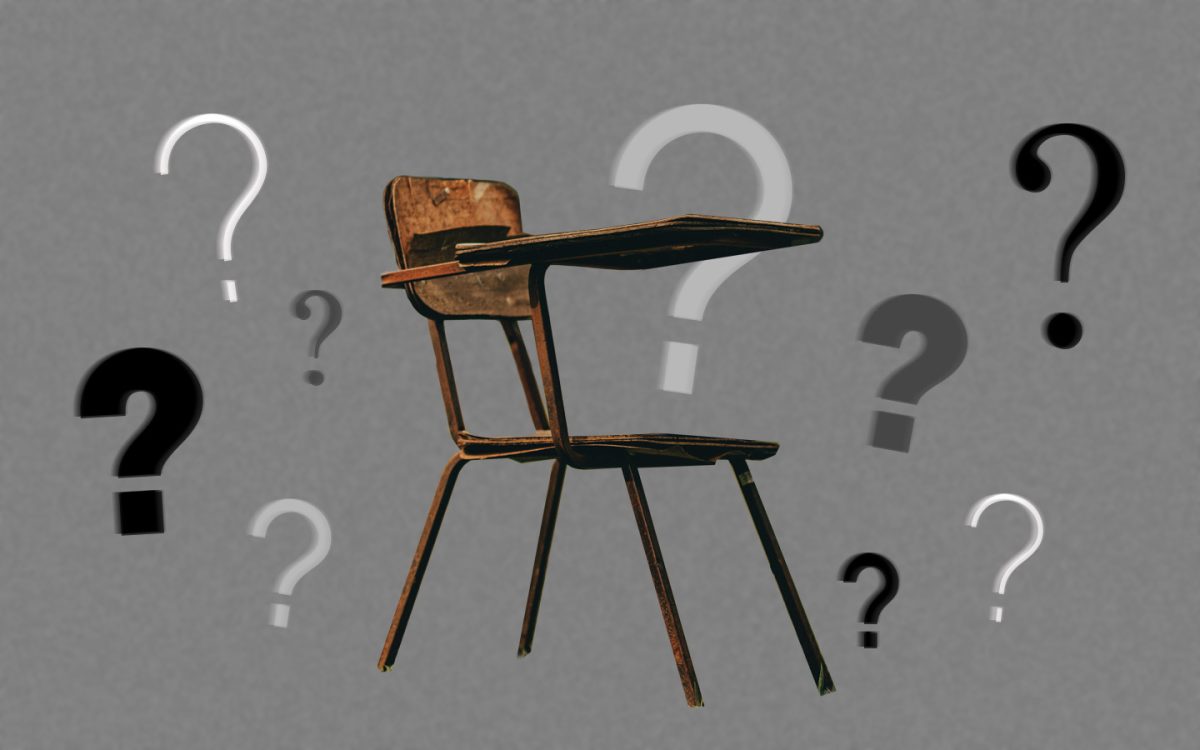
When COVID-19 struck the United States, millions of desks grew cold as children were forced indoors for months. Five years on, and though life has seemingly returned to normal, many of those desks remain empty.
Recent statistics have found that rates of school truancy spiked during COVID and have remained abnormally high, with truancy rates at around 40% to 45% as opposed to the typical mid-30s range in the pre-COVID years.
Truancy is an issue that is very close to my heart. My father developed a severe, chronic neurological condition right in the middle of my time in elementary school, requiring my mother to balance working and caring for him. Early on, there were plenty of days I was checked out early in the day to head to the emergency room, and when my mom was for any reason unavailable and my dad was too sick to drive, I often just stayed home.
Eventually, towards the latter half of middle school, my dad’s condition became progressively more manageable. However, I began suffering from depression and anxiety, and I frequently felt isolated and unsupported at my declining school. I fought with my parents daily about attending, and sometimes, usually when I was at the point of tears, they caved.
Then, we got the letter in the mail. I never read it, but I knew from my mother’s reaction that it was bad. I had approached that critical status, “truant,” and it threatened that if I missed a few more days, they would take further action.
I am all in favor of legally-mandated education, and there must be some kind of active system in place to encourage the chronically truant back into schools, even if that means sometimes taking harsh measures. But holding threats over the heads of parents genuinely trying their best isn’t the way to go.
If Louisiana wants to bring its phantom students back into schools, the state must approach policymaking from a holistic and humanistic perspective.
One of the main places where attendance policymaking consistently fails is in analyzing the deeper root causes of school truancy. The Louisiana Board of Elementary and Secondary Education (BESE) met in August, with attendance policy a major subject of discussion.
Many of the policies discussed are major positive steps in addressing the truancy crisis, such as community engagement events and enhanced data collection. However, no part of the policy mentions mental health, one of the core drivers of school truancy.
Statistics have shown for years a deep and widespread mental health crisis amongst Generation Z, and newer data is showing that mental health struggles are rising at a concerning rate amongst Generation Alpha as well.
However, Louisiana continues to gravely fail when it comes to adequately serving the mental health needs of its students. Recent legislation has provided for mental health screenings in the first semester of each year, but this is effectively a band-aid on a gaping wound.
The state of mental health services in our public schools is abysmal. These services are persistently underfunded and understaffed. Counselors simply do not have the resources or time to handle the workload of a generation with much higher-than-average mental health issues, particularly in a state where mental health is significantly poorer than the national average.
I can attest to the impact simply having someone to go to at school can make. At my middle school, we had a single counselor serving hundreds of students. When I moved into high school, I was fortunate enough to go to an institution that puts significant resources into addressing student mental health. Each grade had at least two counselors, and those counselors would proactively reach out to struggling students, build connections, and meet frequently.
While my mental health wasn’t perfect, it made massive strides. I soon actually wanted to go to school. My counselor pushed me to take risks, participate in my school community, and, most of all, helped me love myself more. Without that support system, I can almost guarantee there would’ve been a lot more arguments with my parents and mental health days off.
Louisiana students are not any less capable, intelligent, or passionate than any other body of students in this country. However, our schools must provide them with the tools they need for success if we ever want to truly address the truancy crisis in this state.
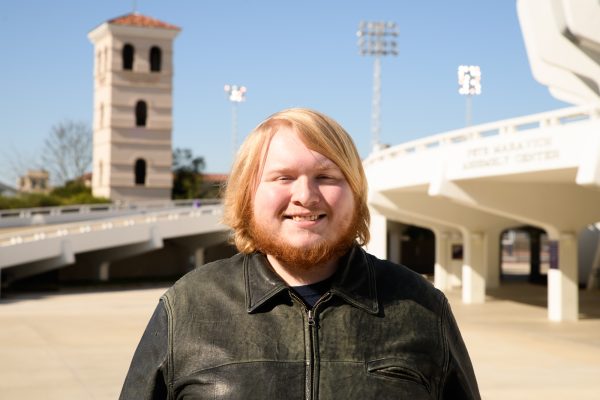
Gordon Crawford is a 19-year-old political science major from Gonzales, La.