




TigerRacing sets students on the track to success, equipping them with technical and administrative skills that put them ahead of the competition.
TigerRacing is the LSU branch of Formula SAE, the largest collegiate engineering competition in the world, according to the TigerRacing website. The club provides a space for students of any major to refine their engineering skills while working together on a common project: a racecar.
“Our team offers hands-on experience that you can only get outside of the classroom,” said Mizuki Teruyama, club president and junior mechanical engineering major. “It teaches you passion, resilience and time management, and it gives you the experience and confidence to be an engineer in the professional world.”
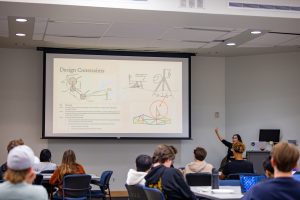
The main focus of the club is to build a Formula-style car for the annual Formula SAE competition, which will take place in mid-June in Brooklyn, Michigan. The team designs and assembles every element of the race car, which features a center cockpit and open wheels. In recent years, TigerRacing has made the switch from gasoline cars to electric vehicles.
“We make our own battery,” said John Kiritsis, a sophomore electrical engineering major and the club’s powertrain lead. “We got to run a motor, and then there’s a lot of safety stuff with that.”
Building a Formula-style car within a year is no simple task, and the time commitment alone is a big ask of full-time students. During the general body meeting on Tuesday, Oct. 11, Teruyama compared working in the club to having a full-time job.
TigerRacing holds official club meetings about four times a week for those directly working on the design and manufacturing of the race car. However, impromptu meetings usually pop up every day, especially during the design phase, said Gareth Oram, a senior mechanical engineering major and the team captain.
“It’s not really a club where you can come and go,” Oram said. “It’s a lifestyle.”
The administrative board is split into two teams to help balance the heavy workload. The technical side consists of the chassis lead and powertrain lead and team captain, who are all responsible for designing and assembling the car.
The business side consists of the treasurer, public relations lead, vice president and president; together, they tackle administrative functions, budgeting, sponsorships and marketing.
The average cost of engineering a race car like this is around $60,000, said Oram. Without the work of the business team securing sponsorships, it would be impossible for TigerRacing to afford the parts for the car. As such, communication between the two sides of the administrative team is key—the technical side must tell the business side how much funding is needed, and the business side must then work to make it happen.
“It’s like a mini company,” said Kiritsis.
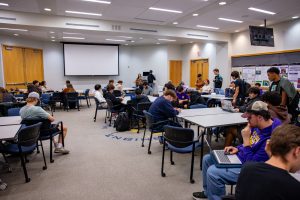
A common misconception is that TigerRacing is only open to engineering majors, but the club is actually open to all students, no matter what level of engineering experience they have. What is important is that students come in ready to learn, said Kiritsis.
For Tristan Thai, a junior mechanical engineering major and the chassis team lead, helping fellow club members learn the ins and outs of engineering is the most rewarding part of TigerRacing. Thai recalled that when he first joined the club, he was amazed by how knowledgeable his teammates were. As the chassis lead, he now gets the chance to inspire incoming members.
“The transition from being amazed at what other people know to other people being amazed at what you know — it’s humbling,” said Thai. “It’s really great to teach other people.”


