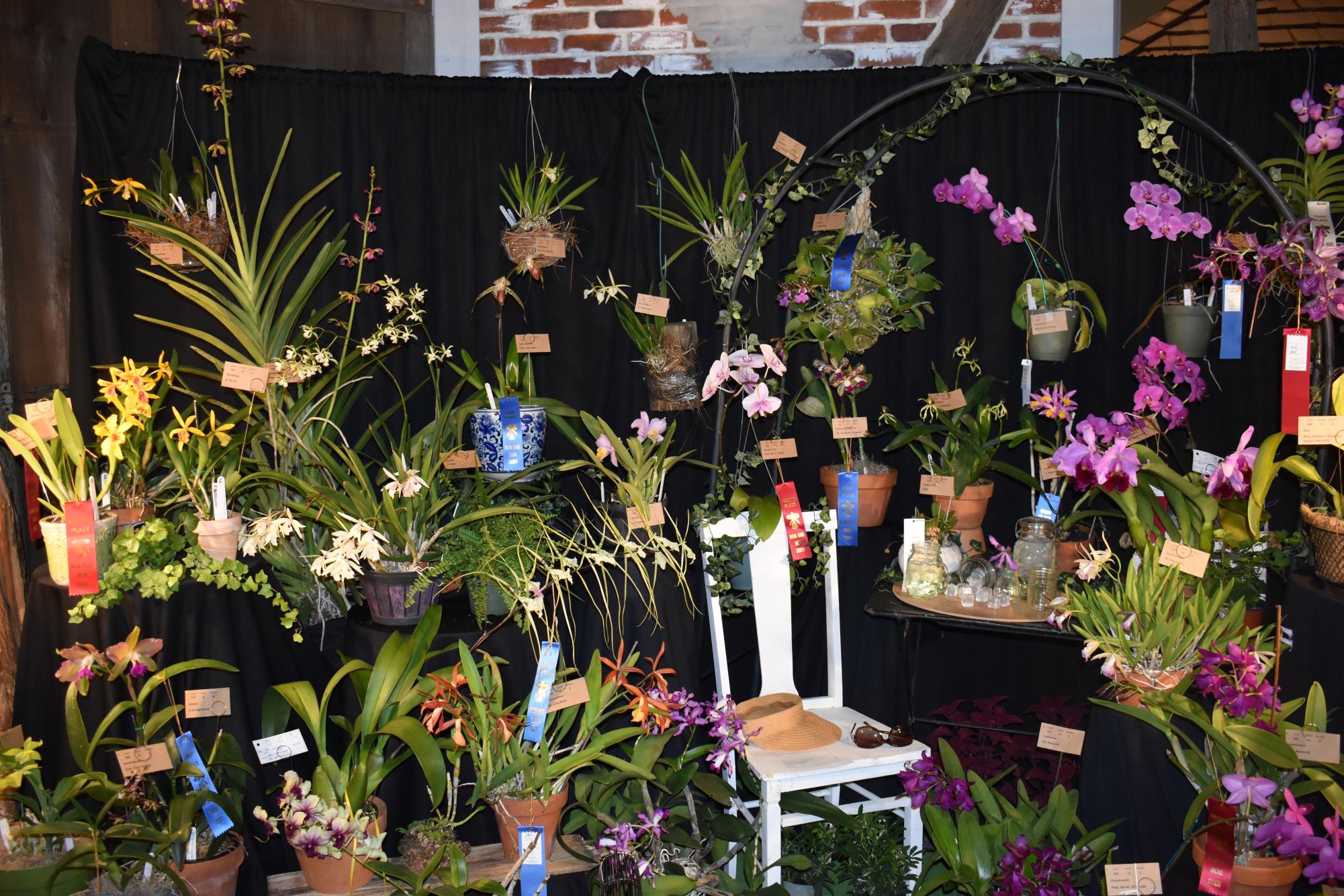
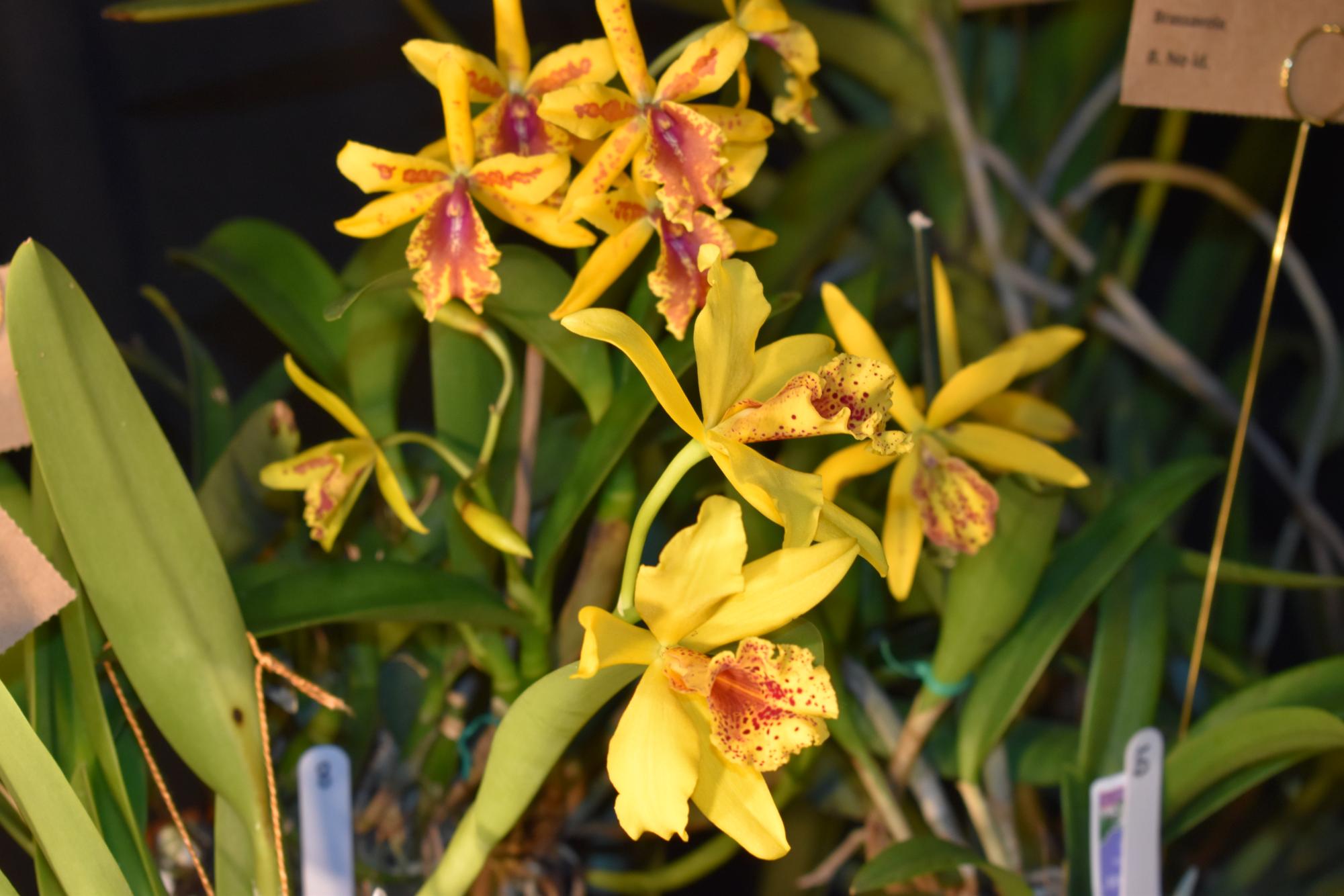
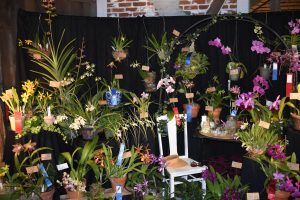
Nestled in the quiet nature refuge of LSU’s Rural Life Museum, the Baton Rouge Orchid Society held its 43rd annual show this weekend. The show brought together amateur orchid growers from Texas, Mississippi and Louisiana to compete for the top prize across various categories.
The theme for the show was “Sweltering Summer of Orchids,” fitting Louisiana’s brutally humid and hot climate. The show also had five vendors from the Gulf South selling orchids to anyone interested in starting their plant journey.
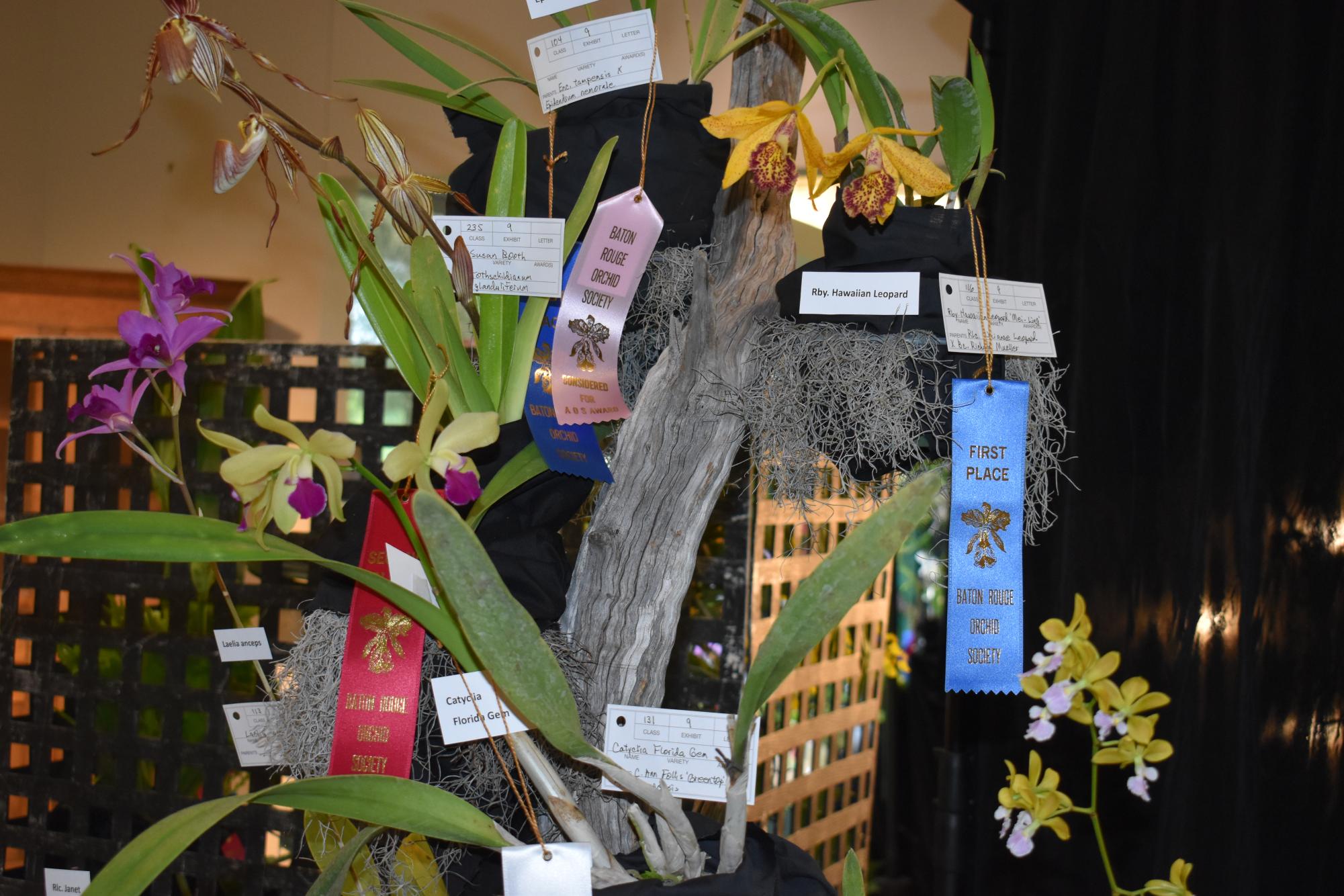
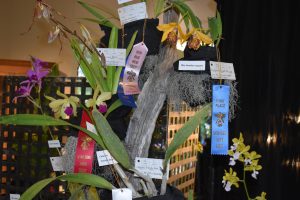
With upwards of 20 different award categories, growers competed for first, second and third places. Most growers were after an American Orchid Society (AOS) award, which brings not only local recognition, but national and global recognition as well.
Flowers deserving of this award received a coveted light pink ribbon with the words “considered for AOS award” on it. This means the plant has been submitted to the AOS for consideration.
The Baton Rouge Orchid Society is a non-profit organization focused on bringing orchid lovers together to create a community of flowers and the people who love them. It comprises 120 members ranging from amateurs to seasoned orchid veterans.
Charles Dartez has been a member for four years, and he’s eager to improve his planting abilities.
“When I joined, like most people, I had killed more flowers than I had successfully grown,” Dartez said. “But after a while, I kind of got the hang of it and can keep a couple alive at a time.”
Cultivating orchids is a serious time commitment and investment; on average, it takes seven years from seed to bloom, during which the planter must be aware of factors like light, fertilizing, humidity, watering and temperature.
“I must have killed a million [flowers] on the way,” Dartez said.
One BROS member perfectly summed up the slippery slope that characterizes orchid growers, saying that “you’ll start with one, and then you all of a sudden turn around and have 300.”
According to Dartez, cross pollination and breeding your own orchid into something new means that you created a new species and have the ability to give it a new official name in accordance with AOS rules.
“All it takes is for one to bloom and then you have everything you need to make your own,” Dartez said.
The show also had a table with the different stages of orchid seed development in clear plastic containers. Showing the life stages of the flowers helps amateur growers understand their plants better.
Jim Morrison, BROS’ president, said the complexities of orchids and their demanding conditions are why he loves the flower. When he joined the BROS in 2016, he was an amateur and had no idea how the flower worked.
“I found that with some orchid research and patience, I was able to grow and bloom these plants in Baton Rouge,” Morrison said.