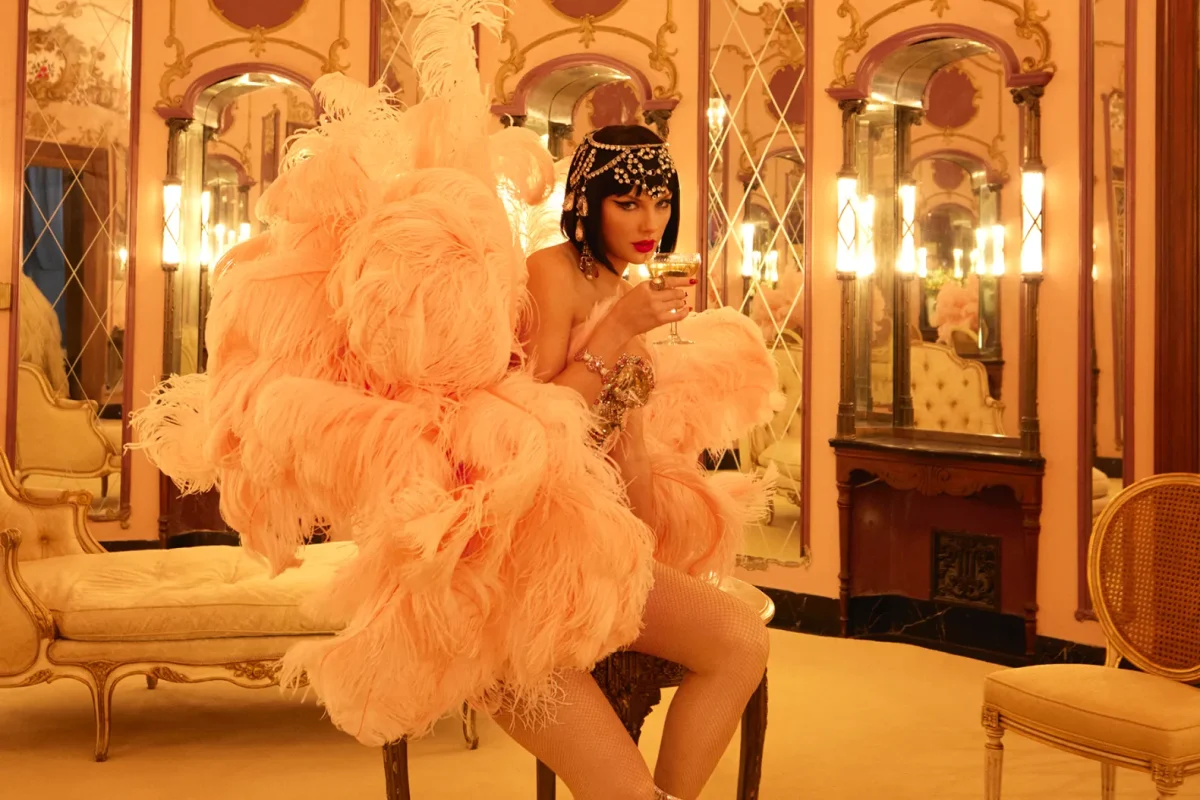
In the last five years, Taylor Swift has released nine studio albums, planned and performed one of the biggest tours of all time, rerecorded four of her six lost master recordings, bought back those recordings and been engaged to Chiefs’ tight end Travis Kelce. Now, this Friday, she is releasing a new album.
She has absolutely taken over American popular culture in a way not seen since Michael Jackson’s constant wall-to-wall coverage. Even in her silent periods, such as the eight month hiatus she took this past year, she still was the subject of countless headlines, think-pieces and rampant speculation. Moreover, she received the brunt of a wave of hatred forged by slowly growing snark culture.
Snark culture is a growing movement in America today that is rooted in devaluing and criticizing in bad faith anything that people even marginally dislike. It’s a symptom of the overarching disease of cancel culture in our society. Snark culture has flown under the radar as it has built for some time now, largely in a digital environment.
As social media has taken on the role of our main forum of public discourse, people have become more and more distant from each other and have forgotten that, behind the screens, there are real humans. The treatment of Swift, and anyone deeming themself a Swift fan, is a prime example of how snark culture is destroying our society. As Swift said herself, “The worst kind of person is someone who makes you feel bad, dumb, or stupid for being excited about something.”
Considering just how famous Swift has become over the last two decades of her career, it’s unsurprising that she’s received some backlash. This is a tale as old as time — people love to hate what is popular; that said, the hate she and her fans have received as of late is proof that snark culture is bleeding out of the digital world and into the physical as well. People have begun to feel they have the right to judge others over even the most meaningless facets of others’ lives, and music taste has become one of these.
I am unable to count on both hands the amount of times where I have asked someone who their favorite artist was, and without provocation or providing an actual answer, they’ve proceeded to recite an essay on their dislike of Swift. Even in the Reveille newsroom this past week, during a conversation with a friend about the upcoming release of “The Life of a Showgirl,” another reporter interjected unprovoked to explain why Swift’s music was of poor quality and her fans were obsessive.
Aside from in-person dissent, countless forums for bad faith criticism and interpretation of Swift exist online. Posts include hate on account of Travis Kelce somehow “codeswitching” to date Swift, discussion on why Swift isn’t sexy, and how her fans are mindless zombies. These are only a few examples of countless online forums dedicated to criticizing and slandering Swift and her fans.
If this seems like a far-away issue for you, I want you to imagine for a moment that you are the most famous person in the world, and maybe your name is Swift. You walk outside in your favorite shirt — someone sees it, hates it and decides to tweet #TaylorSwiftisOverParty. Suddenly, everyone on Twitter hates your shirt and you, and it becomes a trend for people to hate on you. Next time you leave your house, you have to be rolled out to your car in a suitcase so no one can see you again.
This is the level of scrutiny that Swift deals with every moment of her life. She may be a billionaire and a global popstar, but she is still a real person. Both casual fans and dedicated Swifties are real people too, and to them, she creates art that makes them feel comforted, empowered and seen in a way they may otherwise not.
The world is already a cruel place, and we need to take a look at what we say to people in person and online, no matter what or who we are discussing — you never know the impact it could have on someone. If you dislike Swift, or really anything or anyone, you are entitled to your own opinion, but it is not your prerogative to bash what others derive joy from. I urge you, this Friday, to take a listen to the new Swift album, “The Life of a Showgirl.” If you hate it, just shake it off, and do so privately.
Riley Sanders is an 18-year-old biology major from Denham Springs, La.