The Lighthouse Program at LSU specializes in advocacy and support for students experiencing sexual violence, interpersonal violence or stalking.
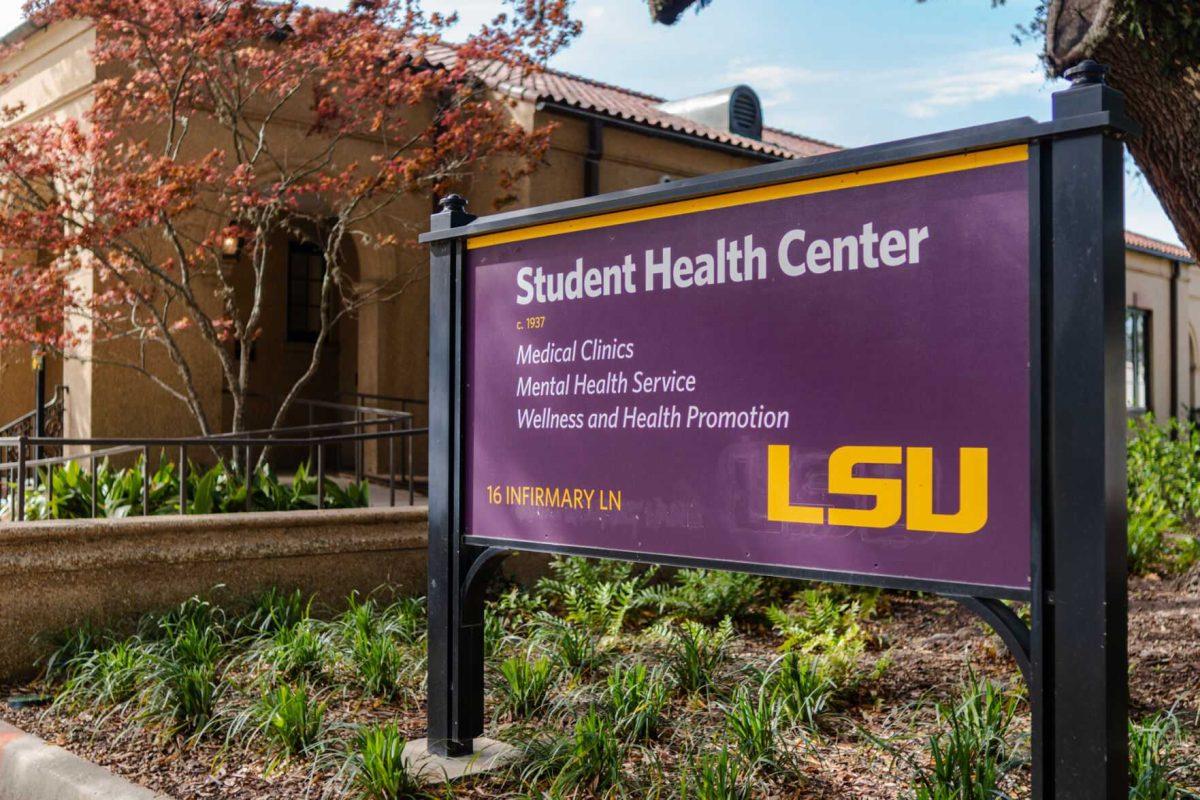
The program is a part of the Student Health Center, which provides a range of resources for students. It is a free, confidential place for survivors to learn about what options are available to them. This includes medical care, academic support, emotional support and help with reporting their experience. It also provides assistance for students who faced violence prior to their time at LSU.
Natalie Walton, associate director of the Lighthouse Program, emphasized that students do not have to be actively harmed to receive help from the program. Students should reach out to the program at any time they are ready to receive support.
“Students do not need to be in crisis, have all the answers or be interested in reporting to seek services,” Walton said. “The Lighthouse Program staff provides confidential, trauma-informed support that helps students explore options at their own pace as we recognize that healing looks different for every survivor.”
Walton understands that concerns over confidentiality may deter some survivors from seeking support. She assured students that the Lighthouse Program is not obligated to tell most of what students disclose, protecting their identity and privacy.
“There are limits to our confidentiality, such as danger to self or others, but we inform every student of our limitations when they come to receive services,” Walton said. “But, regarding the students sharing their experiences and what led them to our program, that is kept confidential.”
The Lighthouse Program collaborates with other Baton Rouge organizations to provide support for survivors of sexual assault and domestic or relationship violence.
Sexual Trauma Awareness and Response, a group known as STAR, Iris Domestic Violence Center, The Butterfly Society and the Capital Area Family Justice Center are a few of the partnering groups that work to prevent violence and support survivors.
“These community resources can work alongside the LSU Lighthouse Program to ensure students have continuous, comprehensive support both on and off campus,” Walton said.
The program not only supports survivors, but it also educates students on how to prevent dangerous situations.
Lighthouse coordinators focus on awareness and support mechanisms to help students feel more secure in their environment. This includes knowing their surroundings, trusting their instincts, using the buddy system and having a plan to get home safely.
“It is all of our responsibility to promote safe environments. Looking out for one another, stepping in when something doesn’t feel right and practicing bystander intervention are powerful ways students can reduce harm together,” Walton said.
It is important for students and the community to never place blame on survivors of violence. Although there are tactics that could possibly keep students out of dangerous situations, Walton said that responsibility for violent acts always lies with the offender.
“Survivors are not alone, and help is available both on campus and throughout the Baton Rouge community,” Walton said.
If a student is in need of Lighthouse Program support, they can contact the program at 225-578-5718 or submit a self-report form on the website at lsu.edu/shc/lighthouse.