LSU researchers have linked education levels to poor health in rural communities across the south through a first-of-its-kind study.
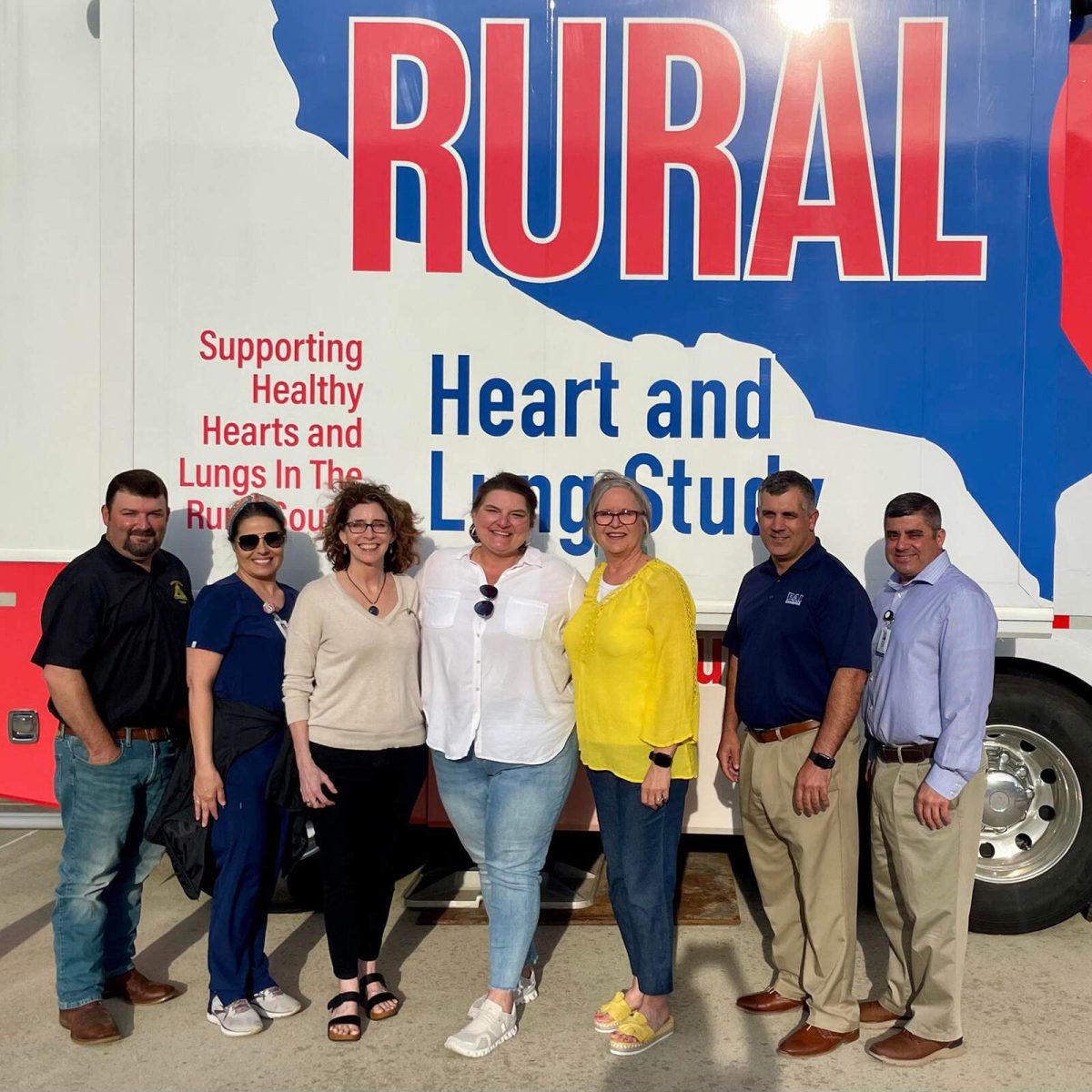
Stephanie Broyles is a professor and the lead investigator of the Risk Underlying Rural Areas Longitudinal Heart & Lung study with Pennington Biomedical Research Center.
Broyles has been working with other researchers nationally to compile a data book with the findings of the research.
The study was started because rural areas have traditionally been ignored when it came to National Institute of Health studies. It is the first of its kind to focus solely on rural communities.
According to the study, people in these areas have higher death rates from heart and lung diseases, stroke, cancer and sleep disorders.
“People in the rural South have some of the shortest life expectancies in the country,” Broyles wrote in the study. “Scientists aren’t sure why these areas are at greater risk, and more research is needed to find out.”
Assumption Parish was the first volume of ten sites as a part of the study. It has a population of around 21,000 people.
The parish seat, Napoleonville, is where the Our Lady of the Lake Assumption Community Hospital is located.
Broyles and her team had a “doctor’s office on wheels” with a CT scanner, blood pressure detector and other doctor’s offices. There will be a second round of data collection within the coming weeks of the same subjects, comparing their health from the first data set.
“It’s also so important that the communities feel a benefit for their participation, that it’s not just about data for scientists,” Broyles said.
The researchers specifically looked for factors like high-blood pressure, high cholesterol and diabetes. According to the data, 80% of adults in Assumption Parish are overweight or obese, whereas the national average is 68% of adults categorized in that manner.
The study also indicated that while obesity rates across the parish were high, the education background of the residents was the biggest differential in many factors.
The study found that only 4% of Assumption Parish residents who did not graduate high school have less than a 25 BMI while 25% of college educated residents were considered normal or underweight.
The study also found that while high blood pressure was higher in the parish than the national average, it was on par with the rest of the state.
“The higher levels of undiagnosed [diseases] were more matched to lower education versus lower income,” said Erin Theriot, the community engagement coordinator for the study and a researcher with Pennington.
Theriot has been on the ground in Assumption Parish building relationships in the communities so that the needs of the communities can be addressed and the people at large can be healthier.
Tsu Wright is a microbiology senior from Effie, Louisiana. The unincorporated community in Avoyelles Parish suffers from education disparities similarly to Assumption Parish.
Wright says that while education is a huge factor, the lack of access to care in her parish is another major factor to high undiagnosed disease rates.
“Educational standards in rural areas are weak. Education systems are left to rot and, as such, the residents become unaware of the dangers of the environment,” Wright said. “Or simply that rural hospitals are underfunded and understaffed, leading to many folk not willing to visit hospitals.”
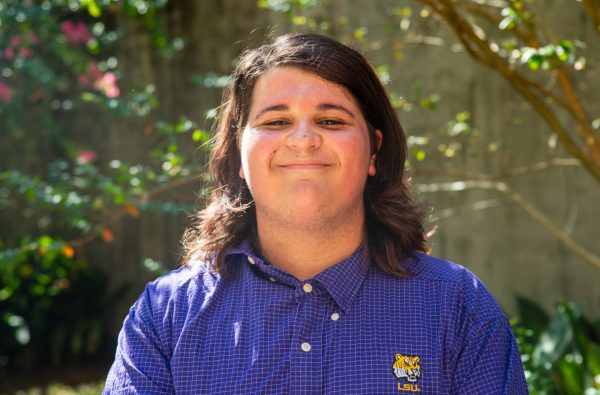
The health issues found in rural communities in Louisiana are not unique to the state. Kaiden Potter is a natural resource and ecology major at LSU from Plumas Lake, a small community of around 8,000 residents in northern California. He said he relates to the study because his family suffers from cholesterol issues related to obesity.
“I have lived in both rural and urban areas and transitioned to a large city from a rural community in high school. I could notice a strong difference in the quality of education,” Potter said. “I think it is mostly a wealth or funding issue or a lack of access to any healthcare, since rural areas tend to get far less funding in healthcare, especially healthcare that is affordable.”
Theriot says that since the study is longitudinal, the researchers will do check-ins every so often in the community.
Broyles said that a volume looking at the data for Franklin Parish will come out within the next few weeks, where the researchers could then compare the datasets between the two communities.
“We were briefly cut by DOGE, but there’s recognition now that this is a really important study,” Broyles said. “The RURAL Health and Lung Study collected a huge wealth of information, and we felt like it was important to get information in the hands of communities as soon as possible.”