



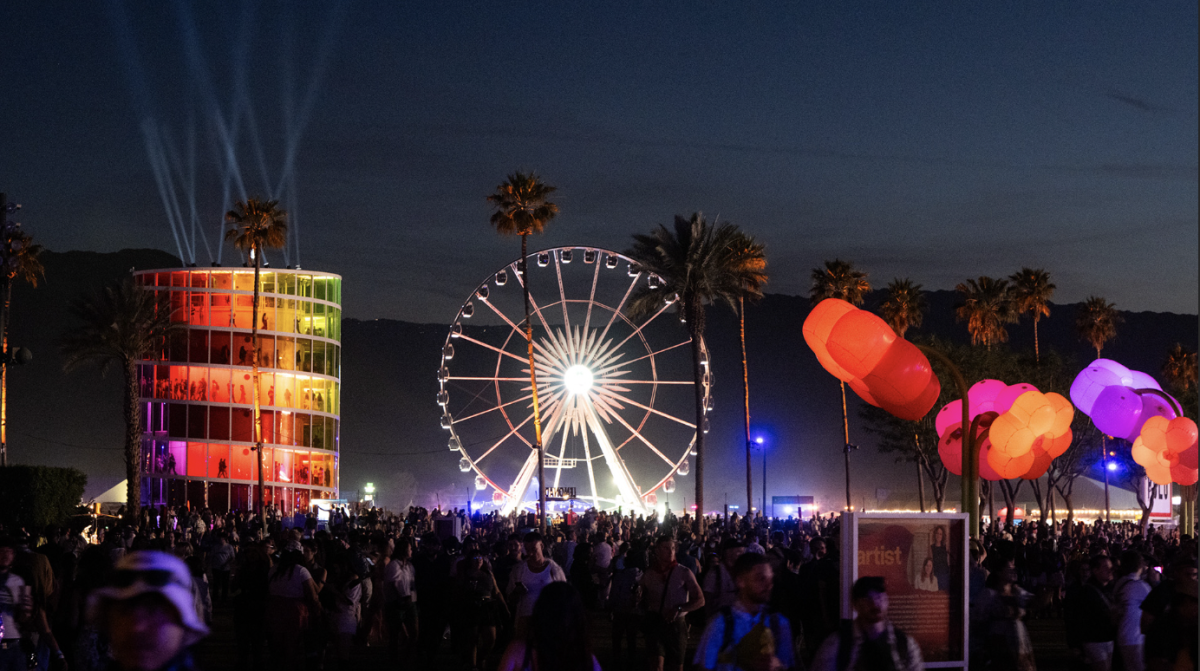
Coachella has returned for another year, with 2026 featuring one of its most globally diverse and pop-driven lineups to date, signaling a continued evolution in both sound and cultural influence. Held across two weekends in Indio, California, the festival once again blended mainstream appeal with underground discovery, offering a snapshot of where music is heading.
This year’s headliners—Sabrina Carpenter, Justin Bieber and Karol G—represent three distinct corners of global pop, each bringing a unique audience and sound to the desert.
Carpenter’s ascent to headliner status marks a major milestone in her career. Once known for her early acting roles, she has steadily built a reputation as one of pop’s most consistent hitmakers. Headlining numerous festivals since 2025 with a theatrical flair, her Coachella set was no different. Leaning into dramatic visuals and polished choreography, Carpenter performance further solidified her transition into a full-scale performer and pop icon.
Bieber, making his long-awaited headlining debut at the festival, delivered a set rooted in both nostalgia and reinvention. Pulling from his extensive catalog, his performance bridged from early breakout hits to his more recent, R&B-influenced material. reminding audiences of his longevity in an ever-changing industry.
Closing out the weekend, Karol G continued her global rise with a high-energy performance that underscored the growing presence of Latin music at major U.S. festivals. As one of the few Latin artists to headline Coachella, her set highlighted reggaeton and Latin pop’s mainstream dominance and cultural impact.
Beyond the headliners, Coachella 2026 thrived in its depth. Legacy acts like The Strokes and Iggy Pop shared the lineup with boundary-pushing performers such as FKA twigs, creating a cross-generational mix of genres that has become a defining feature of the festival.
Still, some of the most talked-about moments came from artists further down the bill. PinkPantheress stood out with a set that combined her signature UK garage-influenced sound with immersive, visually driven storytelling. Her performance reflected the growing influence of internet-born artists who translate viral success into compelling live shows.
Similarly, Oklou brought an experimental edge to the lineup, emphasizing collaboration and atmosphere. Surprise guest appearances and fluid production choices demonstrated Coachella’s continued role as a space for creative risk-taking.
The undercard also featured a strong mix of emerging and culturally relevant artists, including Ethel Cain, Addison Rae and Central Cee. Each represents a different pathway into the industry—whether through traditional songwriting, social media or international rap scenes—further illustrating the changing landscape of music discovery.
International representation remained a key component of this year’s festival. Acts like Taemin and BIGBANG highlighted the continued rise of K-pop on global stages, while electronic artists and DJs added to the festival’s late-night appeal.
Ultimately, Coachella 2026 feels less like a single-genre event and more like a curated reflection of the global music system. While pop continues to dominate the top of the lineup, the festival’s strength lies in its ability to balance commercial success with artistic experimentation.
As the music industry becomes increasingly shaped by streaming, social media and international audiences, Coachella remains a key indicator of what’s next. This year’s lineup doesn’t just showcase the current moment, but it captures a broader shift toward a more connected, genre-fluid future.


