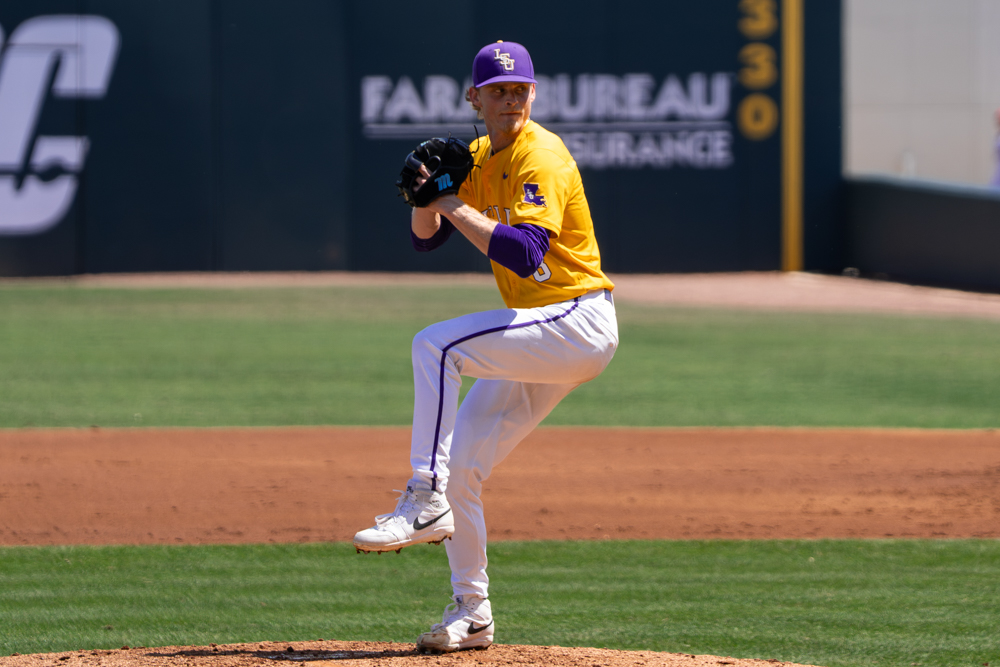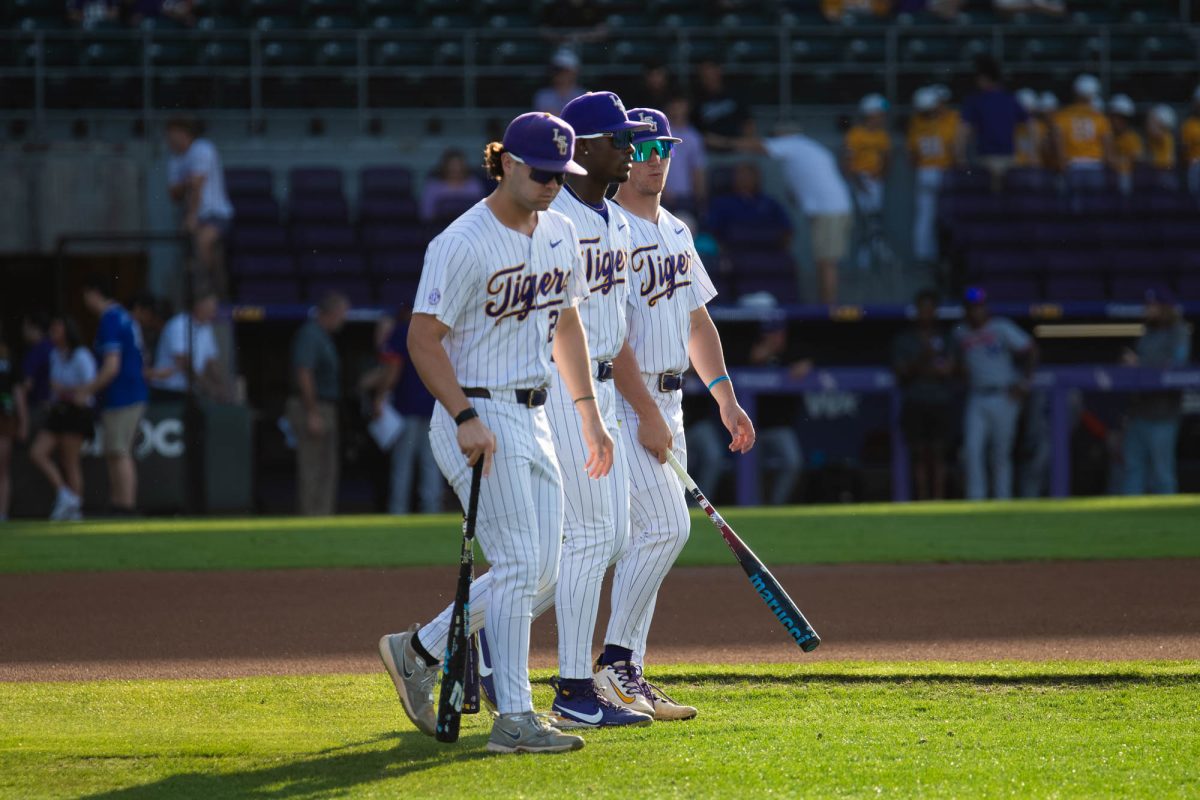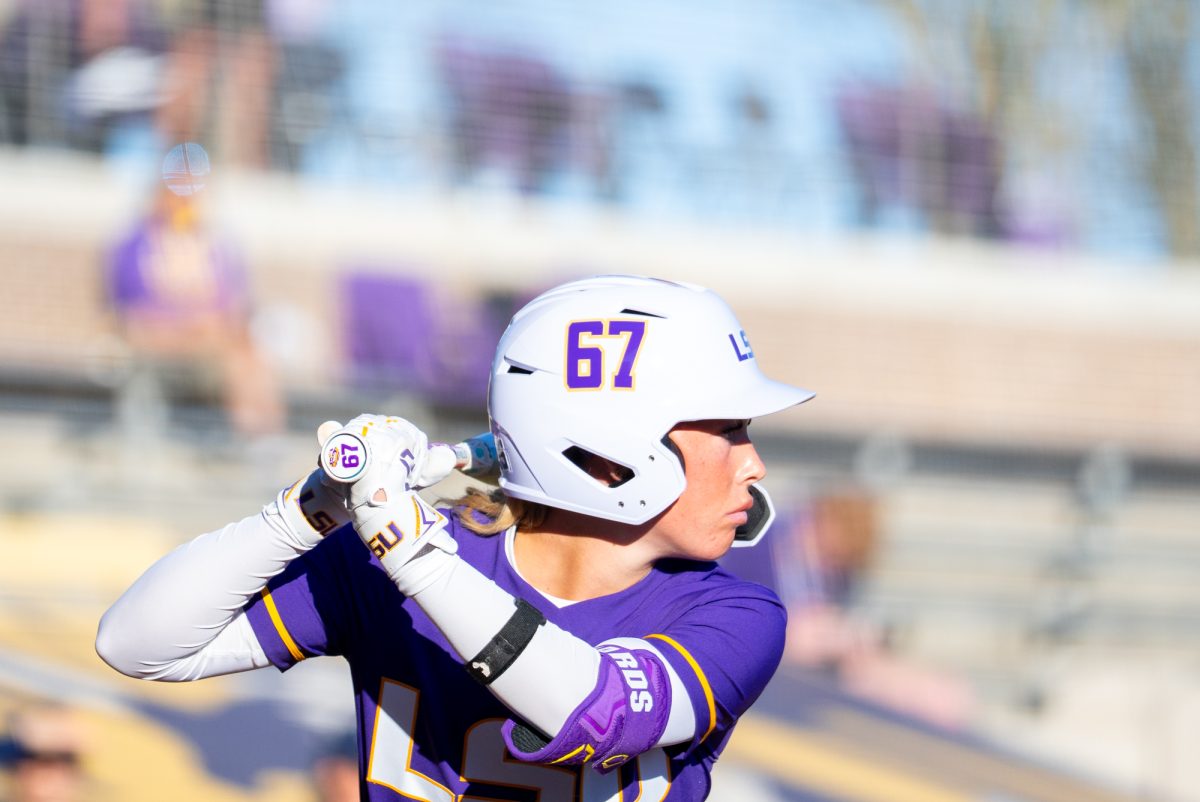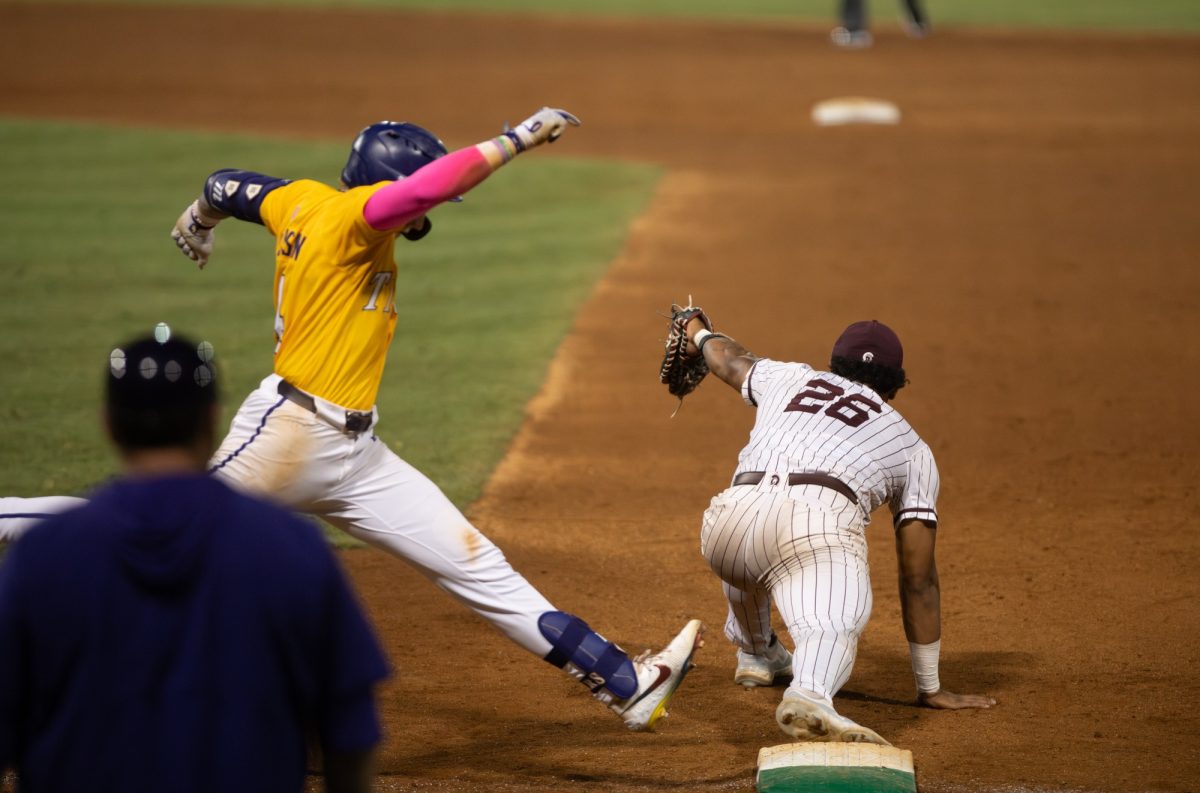
Ethics play a huge role in which team wins or loses a game, but replay reviews in baseball and softball have made it easier to spot unethical umpires as soon as a call is made.
Ever since replay was first implemented in NCAA baseball in 2012 and softball in 2022, there instantly became less of an ethics dilemma within the diamond sports.
Baseball and softball’s similarities bring similar rules between replay in the two sports, but there are some key differences in how the NCAA is implementing different rules and quirks. Here’s what fans need to know entering diamond sport season.
What is a replay challenge?
Entering a baseball or softball game, each team has two “challenges.” They are what the NCAA refers to as the number of times a head coach can dispute an umpire-made call.
If a call is overturned, then it is considered successful. This is different from previous years for softball; coaches used to burn a challenge if it was successful.
A key factor in being able to review a play is what the NCAA calls “undisputable evidence.” This means that a call cannot be overturned unless it is proven to be completely incorrect in the video booth.
What plays are reviewable?
The NCAA also sanctions which plays are able to be challenged. This is the most similar area for baseball and softball, but there are a few inconsistencies.
In the case of a foul or fair ball, both sports allow the play to be reviewed to ensure the correct call. Other batted balls that are reviewable include deciding if a ball is a home run or a ground rule double and a hit-by-pitch.
Both sports also deem a dropped third strike a reviewable call, along with reviewing tagging up, obstruction/interference, malicious contact and force versus tag play calls. Another big review is determining if a catch was secured or not.
A ball in the outfield can be reviewed whenever a head coach feels the need to challenge it, but in the infield, it must result in a third out when runners are on base. If there are no runners on base, then a catch or no catch can be reviewed at any time.
However, each sport has its little differences that make it stand out.
What’s different between the two sports?
Potential home runs that go over the foul pole can be reviewed in a baseball game to obtain the correct call; however, in softball, this same play cannot be reviewed. In a case of LSU versus ULL in 2023, this inability to review the play cost the Tigers a ticket to the super regionals.
Softball also has explicit restrictions for interference and obstruction calls. For several years now, the rule stated that the defensive player must leave a path to the base, and this has resulted in many tricky calls being overturned.
This came into play in the 2025 Women’s College World Series. A player from Texas Tech was called out initially, stealing second base in the first game of the championship finals. The review was overturned, and she was awarded second base. This allowed Texas Tech to score in a tight-knit ballgame, which it eventually won.
In 2026, the rule was changed to allow the defensive player to be able to secure the ball to complete the out.
With the Clearwater Invitational underway in Florida and baseball starting on Friday, this information could be as important as ever in understanding the road to the national title series.