At the moment we live with the autonomy to not offend anyone by including everyone. If something isn’t for someone, you will make it fit instead of moving on.
If someone makes a list online of songs they like, the comments will be filled with “What about XYZ songs?” If someone takes a picture of their engagement ring, the comments are flooded with pictures of theirs too.
Everyone wants to be included.
In the 2007 television show “Gossip Girl,” Serena van der Woodsen once said, “Not everyone wants to be Blair Waldorf.”
Well, now everyone wants to be her, but as Blair responded, “Not everyone can be.”
I will even add that not everyone should be.
How did we get here? I bet you’re expecting the end-all, be-all to be social media and though partly true, there are other factors involved in our self-involvement.
Our biology as humans does have something to do with it. Because inherently we are all selfish creatures who constantly want for ourselves, this sentiment has been heightened across all people, those accused of being “chronically online” and those not.
We do live in a society, and our society was built on individuality — American society, that is. You invent something on your own, become a “self-made man” and cut off relationships to make that dream a reality.
The dream is to be recognized and comforted, like a debutante ball in high society. Everyone sees you make your debut and you stay in your comfort zone, occasionally making strides to bless other people with your presence.
But only as long as the night never ends.
This independent yet attention-seeking archetype has made focusing on ourselves so easy. Leaving our houses and bursting our bubbles has never been more difficult.
In a previous article in which I talked about how living takes a village — that you cannot go about living alone — I introduced the idea that we isolate and call it self-care. That we expect transactions with every interaction that will further our own self-serving goals. But we can’t call that living.
And I think we all know who the culprit is behind this American dream gone feverish: social media and social norms.
Not only is your algorithm tailored to you, but it also stitches you to other people who think exactly like you. It’s easier to find a middle ground when you’re in front of others talking it out, but without that physical interaction, everyone will just agree with each other.
In another previous article, expanding on the growing sentiment that certain social media platforms are better intellectually than others, I say, “How are we really any better if we all just tell each other, ‘Exactly?’”
Where do we go now? Well, if everyone isn’t actually a special snowflake, does that mean my grandma was wrong? No. You just might not be special in this circle because, in actuality, it has nothing to do with you. Look past yourself and understand that not every moment needs your input. Sometimes, you can just observe.
If you like blue and are in a circle of people who like red, you don’t make them change to like blue.
You move on.
Not everything is for you, and it shouldn’t have to be. Let people have their space without making it about you. This is how looked-over voices are silenced by louder voices. Find what is meant for you and stick with that. Life is much easier that way.
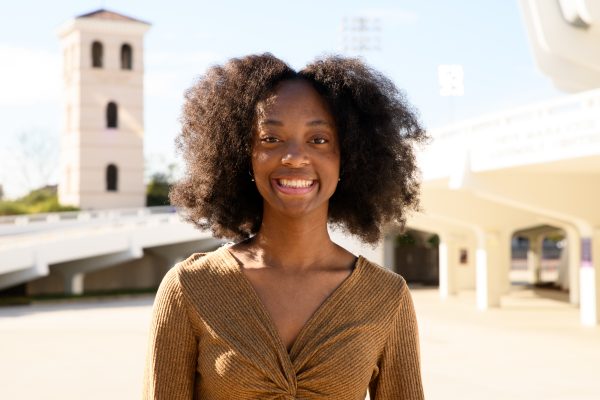
Michaiah Stephens is a 22-year-old english major from Durham, N.C.