If someone were to ask, “What is the 2020s culture?” we’d all have a hard time answering. Maybe we’d answer, but grimace because of it.
We could say “COVID-19,” or “AI” according to Time Magazine, but really, if we all sat down, what would be the answer?
I have seen countless comments from people stating, “The 2020s have no culture”— or at least not one worth rallying behind. We all have been burned under the spotlight of nostalgia, perfection and trying to be everything all at once. We need a renaissance.
If you’d turn your history books to chapter 15th century you’d find a historical event known as the Italian Renaissance: a cultural shift in Italy blending other cultures and focusing on human achievement and human expression. It was during this time that humanity had a boom in creating new arts and experiences.
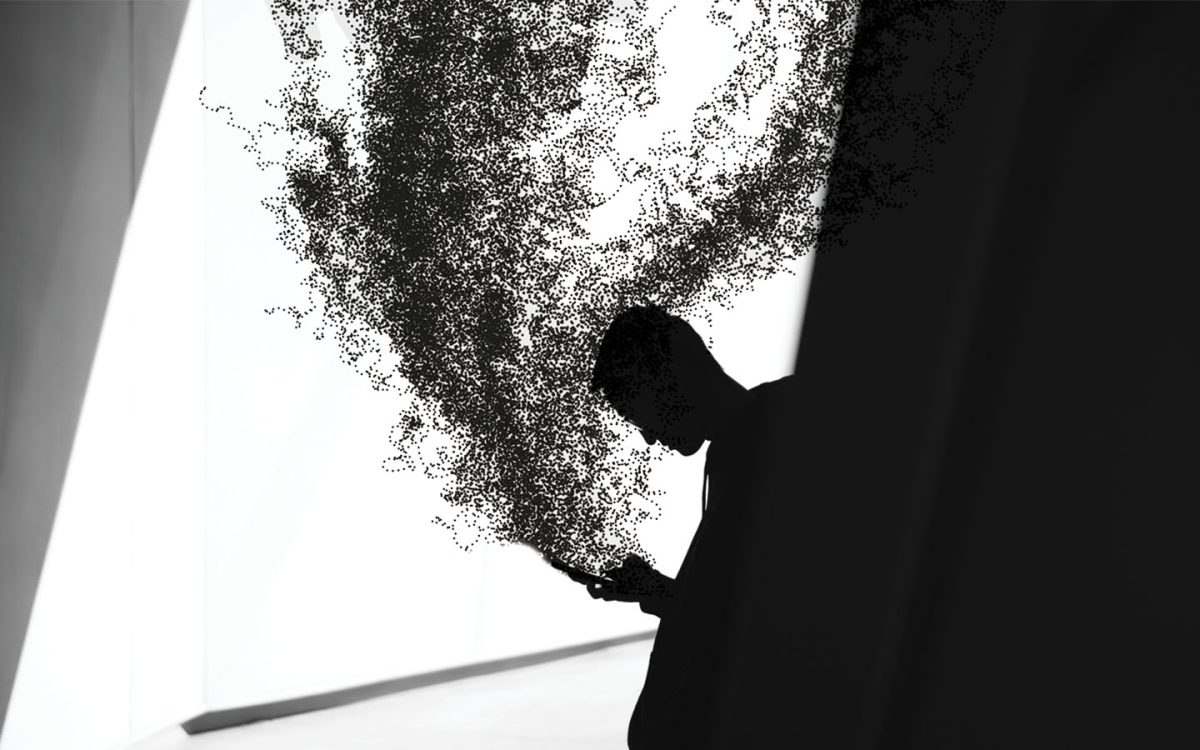
Now though, we’ve lost the humanity of expression and achievement. Originality has faded into the background of the newer, shinier CTRL + C, CTRL + V and now creatives have been hovering over the hors d’oeuvres all night like someone who was only invited to the party because everyone forced the host to invite them.
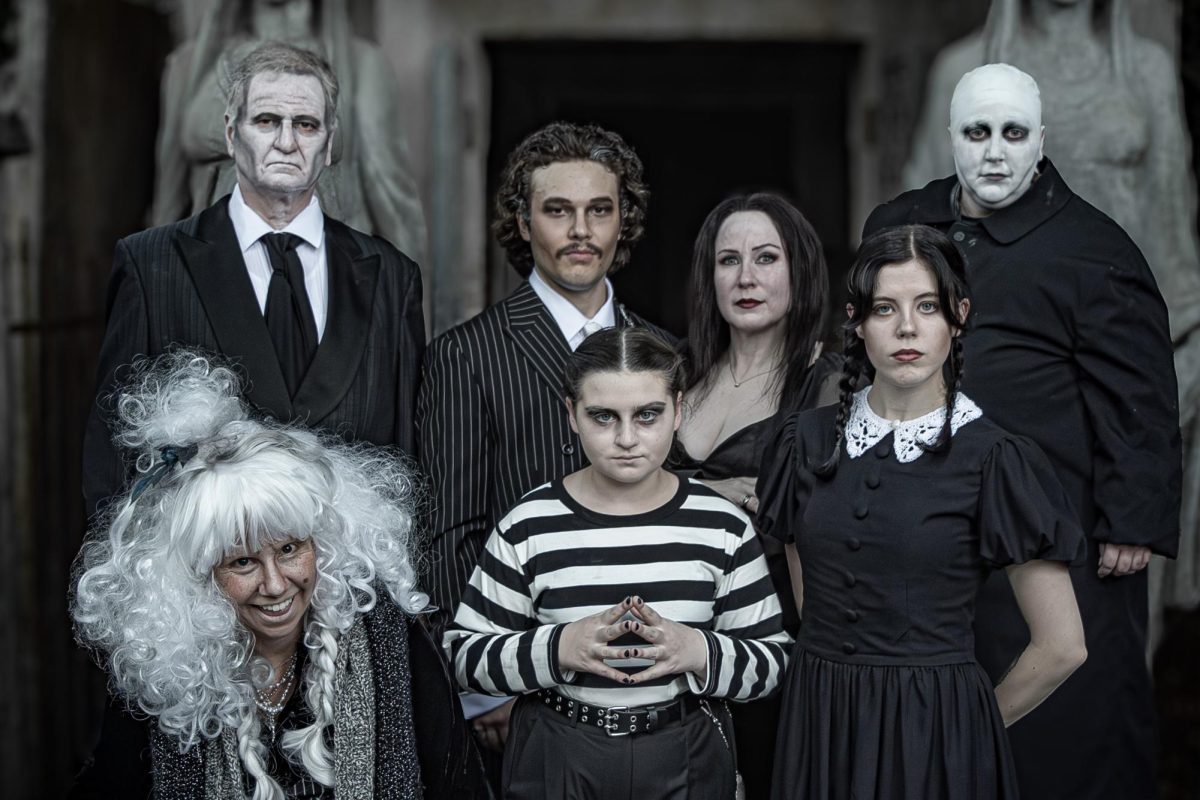
Frankly, doing what we’ve always done has worked. Nostalgic remakes and adaptation movies still make money at the box office. For every “Sinners,” there are 20 more “Wuthering Heights,” “Moana” (2026) and “The Lion King” (2019).
Songs are only popular if you reference other popular songs or genres or if they’re made for TikTok transitions. Books are the same trope, written in the same font, with the same cover art. If you want romance, make it look like “The Love Hypothesis.”
What about the fantasy genre? Make it “A Court of Thorns and Roses.” Do your readers want young adult titles? Meet Colleen Hoover.
Even the human language has been boiled down to the same phrases we all throw at each other. How many times have you heard “clock it,” “mother” or “gagged?”
These are just a few phrases tossed around the internet without any cultural knowledge put behind them. These phrases originated in the gay ballroom scene out of Black and Latinx queer and trans peoples’ necessity for self expression and freedom in the 1960s, ‘70s, and ‘80s New York City.
Language once rooted in identity affirmation of oppressed communities has now been plastered and commodified without restitution for these communities. They’ve now turned into “just something people say.”
Is it easier to parse through what we’ve already done instead of creating anything new? Yes. Why? Because we know it works. The issue with new is it always has a 50/50 chance of success, and instead of allowing failure, we’d rather know what works and stick with that.
The core issue isn’t referencing old material; the issue is that the quality drops with the rehashing, but we continue to rehash it anyway, making it a trite, derivative, uninspired — and often pointless rehashing of the original.
To have a renaissance, we have to be willing to let in failure both privately and publicly. Many of the “greats” failed over and over in public before finding their stride — some died before seeing it.
If I may go back to my history book, how many renaissance artists do you actually know? Maybe four, and that’s due to knowing the Ninja Turtles. We can acknowledge that not everybody can become famous — or infamous — but you should at least try to make your mark and break some new ground.
I urge you to fight the bystander effect. I know it is so much easier to allow yourself to offload the responsibility of creating onto others, but if you have ideas, you need to share them. The culture needs you.
A poem I’ve found recently that encapsulates this feeling is “Where Is the Poet” by Yone Noguchi.
The speaker expounds on the world around them then asks “Ah, where is the man who lives out of himself? — the poet inspired often to chronicle these things?”
I interpret the speaker to be “the poet” they want to interpret the world around them, but they still choose to make the responsibility someone else’s. This is what it looks like in the world right now. Instead of taking the chance of being the thing you want in the world, we are all looking for outside sources to fill that void.
Will there be a spark of enlightenment amongst our peers? Will you start the renaissance? Nothing will get better if you don’t start. So sit down at your desk, brew a cup and simply start.
Michaiah Stephens is a 22-year-old English major from Durham, N.C.