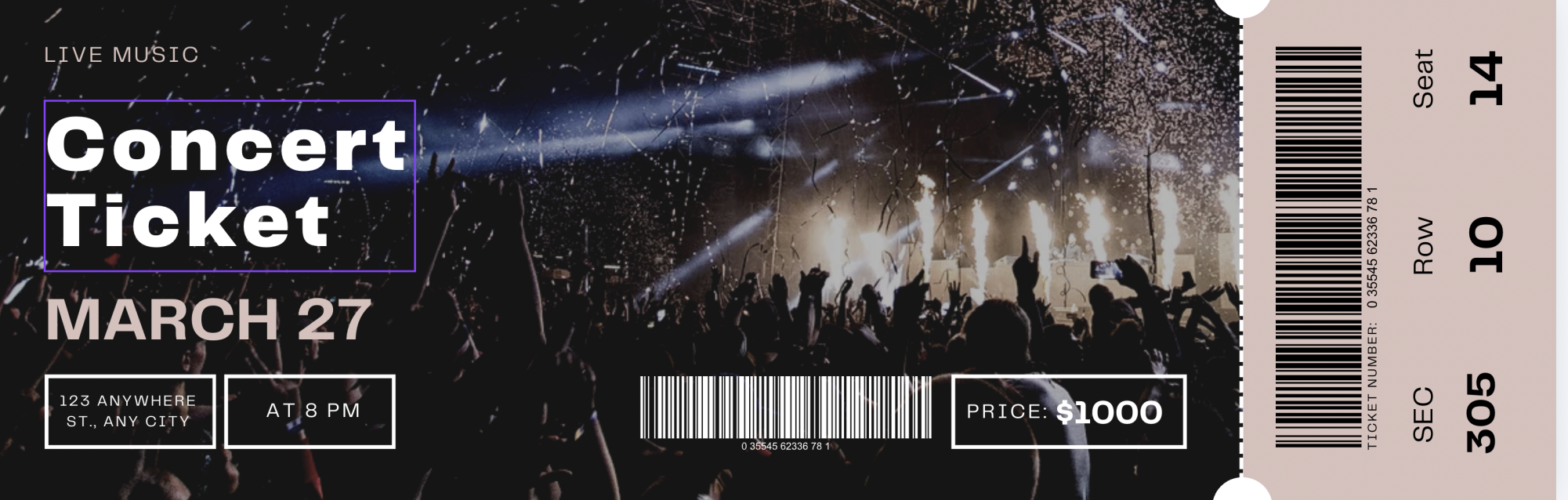
When did live music and entertainment become a luxury? Fans are paying more than ever to see their favorite artists live. According to PollStar, a trade publication for the concert and live music industry, concert ticket prices have seen a 25% to 30% increase since 2019.
There are a number of reasons why ticket prices have sky-rocketed over the years. One of the biggest ones being supply and demand. Venues have limited seats, and artists only have a certain number of nights they can perform in a city.
At the same time, the demand for certain artists has increased. Taylor Swift, Beyoncé and Harry Styles have had incredibly high ticket prices, and many fans have expressed outrage across all social media platforms.
“Why is one concert ticket worth more than a month’s rent now? Make it make sense,” said one Harry Styles fan.
When big artists announce a tour, millions of fans compete for the small number of tickets a venue can provide, thus pushing prices higher. In most cases, tickets that were initially listed at affordable prices end up costing several times more during periods of high demand.
Companies like Ticketmaster have decided to capitalize on this demand. They have popularized dynamic pricing, which means ticket prices are adjusted in real time based on how many people are on the website.
Surprisingly, Andrew Parsons, Ticketmaster’s UK managing director, said that the site has never used dynamic pricing.
“The price of tickets on the site is the price that the artist has worked with us to determine is the price that they want it to be set,” said Parsons.
Beyond base ticket prices, fees and additional charges inflate the final price. With the rise of inflation, service fees, processing fees, and venue charges have also increased. Which means the cost of the ticket can rise 20% to 25% more at check out. These fees are split between the ticketing company, venues, and promoters.
So do the artists get a say in their ticket pricing? In recent years, physical album sales and revenue from streaming have dropped significantly. In 2025, Spotify was paying artists $0.0031 per stream.
“The artist and their business team will listen to the promoter’s input and then decide the final price,” said Live Nation in a statement about the price of concert tickets.
The resale market has also made ticket pricing more complicated. Ticket companies like StubHub and SeatGeek allow individuals to resell their concert tickets for often a higher price because the company takes a cut of the sale.
While having these resale companies can help the fans who didn’t get selected for the pre-sale, it has also allowed scalpers to buy tickets in bulk and resell them at an inflated price.
Bots have also been created to purchase as many tickets as possible, making it harder for fans to get tickets for themselves.
Rising production costs have also caused higher ticket prices. Concerts have become more elaborate than ever, with each artist trying to top the previous big tour. The production staff also needs to be paid, and the more they are asked to do, the more their salaries increase.
From dynamic pricing to resale markets and rising production costs, the concert industry has turned ticket pricing into a system that feels as though it’s working against fans.
Ticketmaster has tried to combat this by creating the “Face Value Exchange”, allowing fans to resell their tickets only for what they paid for them.
Since demand for certain artists doesn’t seem to be slowing down, fans may continue to pay the price. Finding a balance between profitability and accessibility is the music industry’s next challenge, or live music will become an experience that only a select few can afford.