Editor’s note: A previous headline incorrectly identified the bill as dealing with NIL deals rather than revenue sharing.
Late last month, bubbling rumors became reality: Will Wade hath returned from his long exile to bring the Tigers back to glory and, failing that, at a bare minimum, respectability.
The move, and Wade’s entire career up to this point, has been a fascinating drama deeply intertwined with the intense debates surrounding the emerging realm of name, image and likeness and player payments in college sports. A man once outcast for utilizing tactics considered underhanded now returns with a blank check to use those same tactics in broad daylight.
Now, NCAA rules allow revenue sharing, where college athletics departments may pay student-athletes 22% of their average revenue up to $20.5 million, the eternal debates about spending on athletics programs have flared up once more. With those classic sports icons juxtaposing failing academic infrastructure with sci-fi-esque locker rooms, many people are rightfully questioning the ways public money is being spent.
However, a bill snaking its way through the Louisiana House threatens to shield almost the entire process from the public by providing an exemption to revenue sharing from the state’s public spending disclosure laws.
There’s no particular issue with paying players and I’m not even personally opposed to significant revenue sharing deals to attract premier talent. But the Louisiana public has a right to know how its money is being spent.
The state’s public universities, of which nearly all back the bill, cite a couple of main reasons for why they oppose public disclosure of athlete payments. The first is that public reporting would undermine their ability to compete with other universities.
This reasoning makes very little sense when examined criticality. Public reporting in no way inhibits the ability of the university to put forward a large offer. Laws also do not prevent a university from negotiating in private. Reporting merely ensures that the ultimate decisions the university makes, pen on paper, can be held accountable.
College programs regularly flaunt their sizable budgets anyway, and that has had no discernible impact on their ability to succeed. Even Athletics Director Verge Ausberry publicly discloses certain ways athletic spending breaks down.
Another concern is student privacy. This is somewhat more reasonable, but it still collapses under some general scrutiny. You can easily find the salaries of essentially any LSU position online, and the university makes no stink about that.
Excuses on the front of inhibiting public records are always flimsy and mealy-mouthed. There are never any specific instances provided where public reporting could be tangibly linked to harm, be it literal harm to a student or harm to a potential deal the university might wish to make. There are good reasons for governments to hide certain information, but we aren’t talking about missile sites here.
We need these laws to hold our institutions accountable. In a state with as strong a history of corruption and mismanagement as Louisiana, our few robust good-governance laws are vital to protect.
This bill may not seem like it would have a major impact, but exemptions can have a bad habit of spreading like a disease and infecting good systems. If the state starts giving out free passes from reporting on spending for no particular reason, it seems very unlikely they will wish to stop, given the current government’s general distaste for public accountability.
Communities deserve to know the ways in which their public institutions are spending their money. While LSU’s athletics program is generally self-sufficient, many other programs in the state are heavily subsidized by public funds. This bill would turn those programs into fiscal black holes, where money flows never to be seen again by the public. Louisianians keep your eye on the ball. Don’t let the Legislature slip this dangerous bill past you.
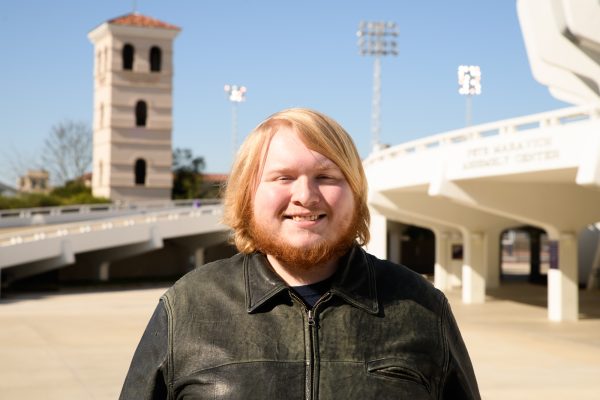
Gordon Crawford is a 20-year-old political science major from Gonzales, La.