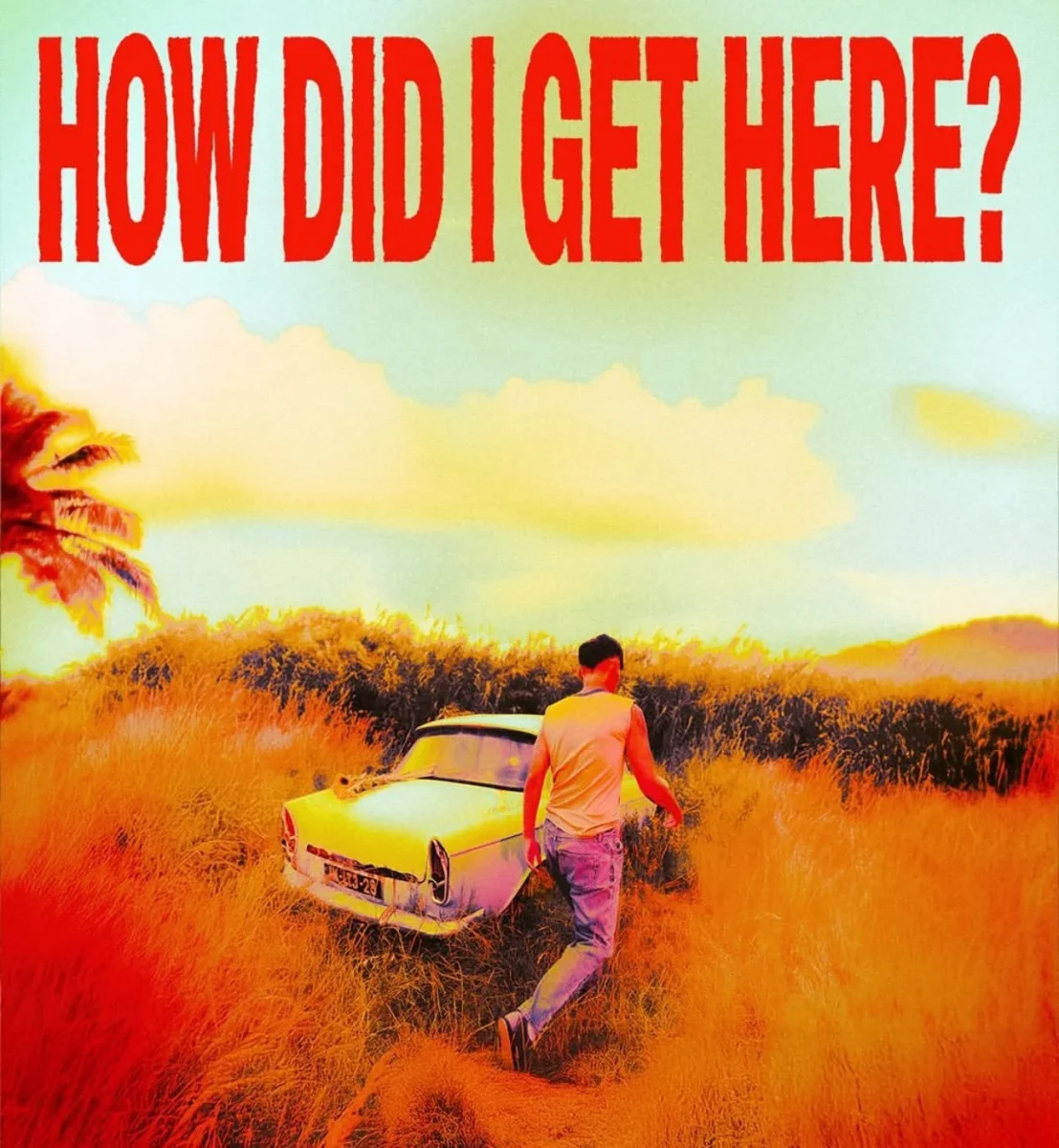
For his third album, How Did I Get Here, Louis Tomlinson returns with the familiar guitar-driven pop-rock sound that has defined his solo career thus far. While the album is earnest and clearly personal, it ultimately feels like a step backward—especially compared to his 2020 debut, Walls, which showcased a sharper sense of ambition, emotional depth, and songwriting clarity.
Sonically, the album stays within a narrow comfort zone. Many tracks rely on predictable chord progressions, straightforward builds, and repetitive melodies. While this approach may translate well in live settings, it causes much of the record to blur together. Unlike Walls, which experimented with pacing and texture to give each song a distinct identity, How Did I Get Here rarely strays from its formula. Many songs follow the same arc, making the album feel flat despite clearly personal intentions.
Lyrically, the contrast between the two albums is even more evident. Walls thrived on detailed storytelling, grappling with grief, identity, and loss through vivid storytelling and raw introspection on tracks such as “Two of Us” and “We Made It.” On How Did I Get Here, Tomlinson revisits similar themes of reflection, survival, and self-questioning, but often in broad, generalized terms. The writing feels straightforward to a fault, circling deeper ideas without fully committing to them, which leaves many songs feeling underdeveloped.
Walls thrived on detailed storytelling and raw reflection, offering moments that felt unfiltered and specific. How Did I Get Here gestures toward similar themes—self-reflection, endurance, and looking back on a turbulent career—but often does so in broad, generalized terms. The result is an album that feels emotionally cautious, as if it’s unwilling to dig as deep as its predecessor.
This restraint makes the album feel oddly elementary in quality. While Tomlinson’s sincerity is never in doubt, sincerity alone doesn’t guarantee depth. Where Walls felt urgent and emotionally complex, How Did I Get Here plays it safe, offering comfort and familiarity rather than challenge or growth. Rather than building on the foundation of his debut, this project appears content to coast on familiarity.
The choice of lead single stands out as particularly puzzling. “Lemonade,” with its glossy, radio-ready pop production, feels disconnected from the album’s more grounded and emotionally resonant moments. Rather than serving as a meaningful introduction to the project, the track prioritizes polish over personality, functioning more as a safe bid for airplay than a true representation of the album’s strengths.
The album does still find some moments of clarity. “Dark to Light” serves as the album’s emotional centerpiece and is widely interpreted as a quiet tribute to Liam Payne. Stripped-back in both production and delivery, the track abandons the album’s usual polish in favor of intimacy, allowing Tomlinson’s voice and lyrics to carry the weight of its sentiment. The song’s central theme—moving through darkness toward clarity—lends itself naturally to a reading rooted in personal connection rather than broad reflection. The lyrics feel less like a public statement and more like a private reckoning, shaped by shared history and mutual survival in the spotlight. In the context of Tomlinson’s career—and his long, complex bond with Payne—the song reads as an acknowledgment of growth, distance, and enduring care, even amid change. Where other tracks gesture toward reflection in generalized terms, this song feels intentional and lived-in. The vulnerability here feels earned, making “Dark to Light” one of the album’s most resonant moments.
Other standout tracks include “Palaces” and “Jump the Gun,” which stand out for their stronger melodies and sense of momentum, offering glimpses of the emotional specificity that defined Walls. “Imposter” also leaves an impression, embracing a darker, more introspective tone that hints at the complexity Tomlinson occasionally reaches but does not sustain throughout the record.
Ultimately, How Did I Get Here appears as a cautious release. For longtime listeners who connected with the depth and ambition of Tomlinson’s debut, this album may feel like a missed opportunity—proof that emotional honesty alone isn’t always enough to move an artist forward.