
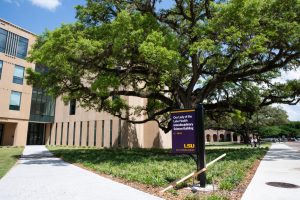
LSU held a ribbon cutting ceremony for the new Our Lady of the Lake Health Interdisciplinary Science Building on Friday, marking a major expansion of the university’s science and research capabilities.
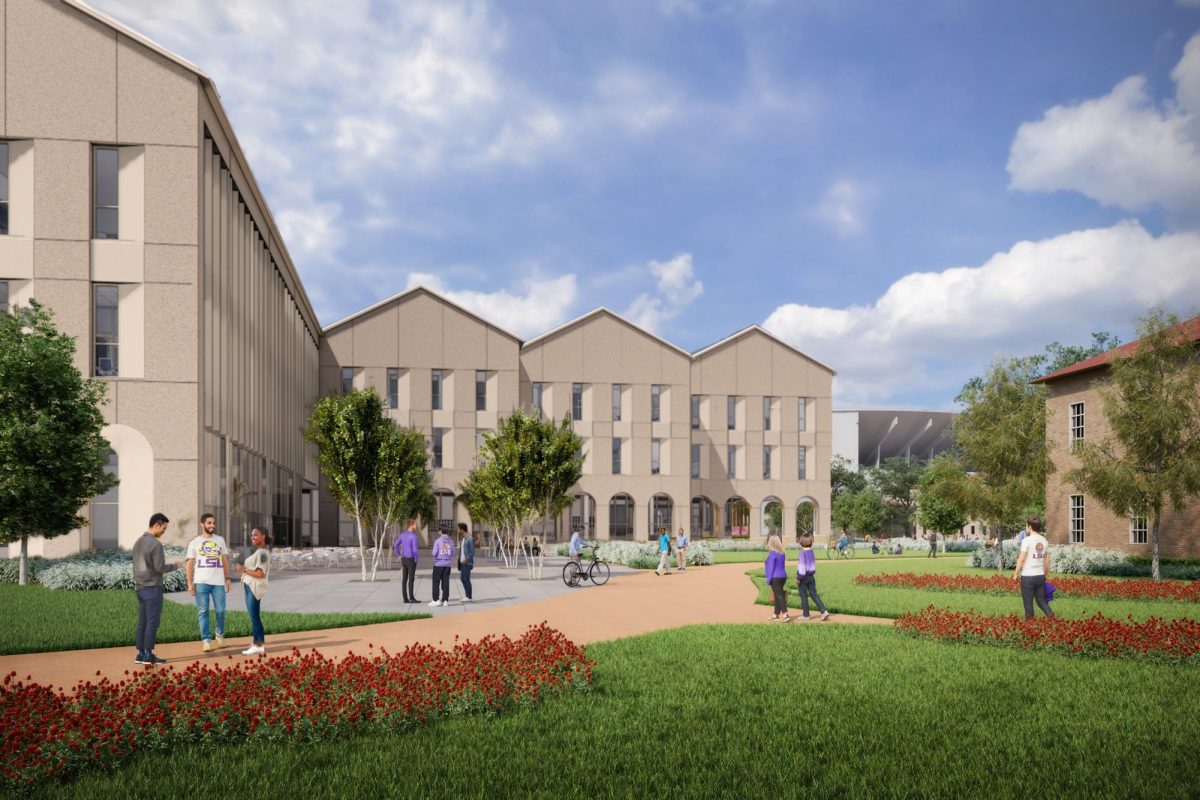
The four-story, $148 million facility is designed to serve as a central hub for collaboration, housing teaching labs, research spaces and student resources across multiple disciplines. University leaders say the building represents a shift toward more hands-on, interdisciplinary learning as LSU works to grow its STEM programs and meet workforce demands across Louisiana.
“This building is a powerful example of how LSU can change the way we educate Louisiana through excellence and accessibility,” LSU President Wade Rousse said. “We’re celebrating the questions that will be asked, the breakthroughs that will be achieved and the students whose careers will begin here.”
The building comes at a time when demand for science, technology and healthcare professionals continues to rise, both nationally and within the state. Leaders say updated facilities are critical not only for educating students but also for retaining talent in Louisiana.
A new space for collaboration and growth
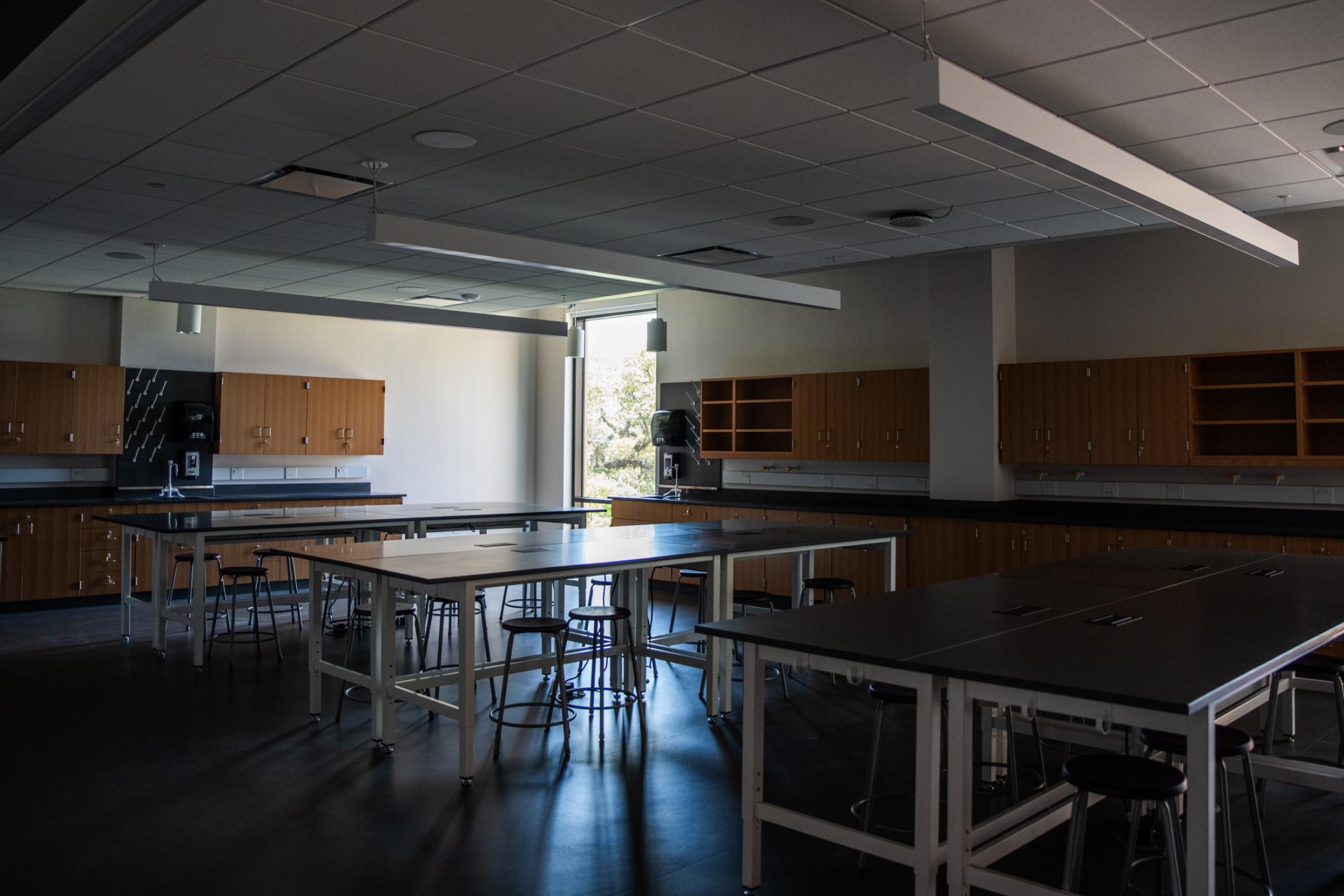
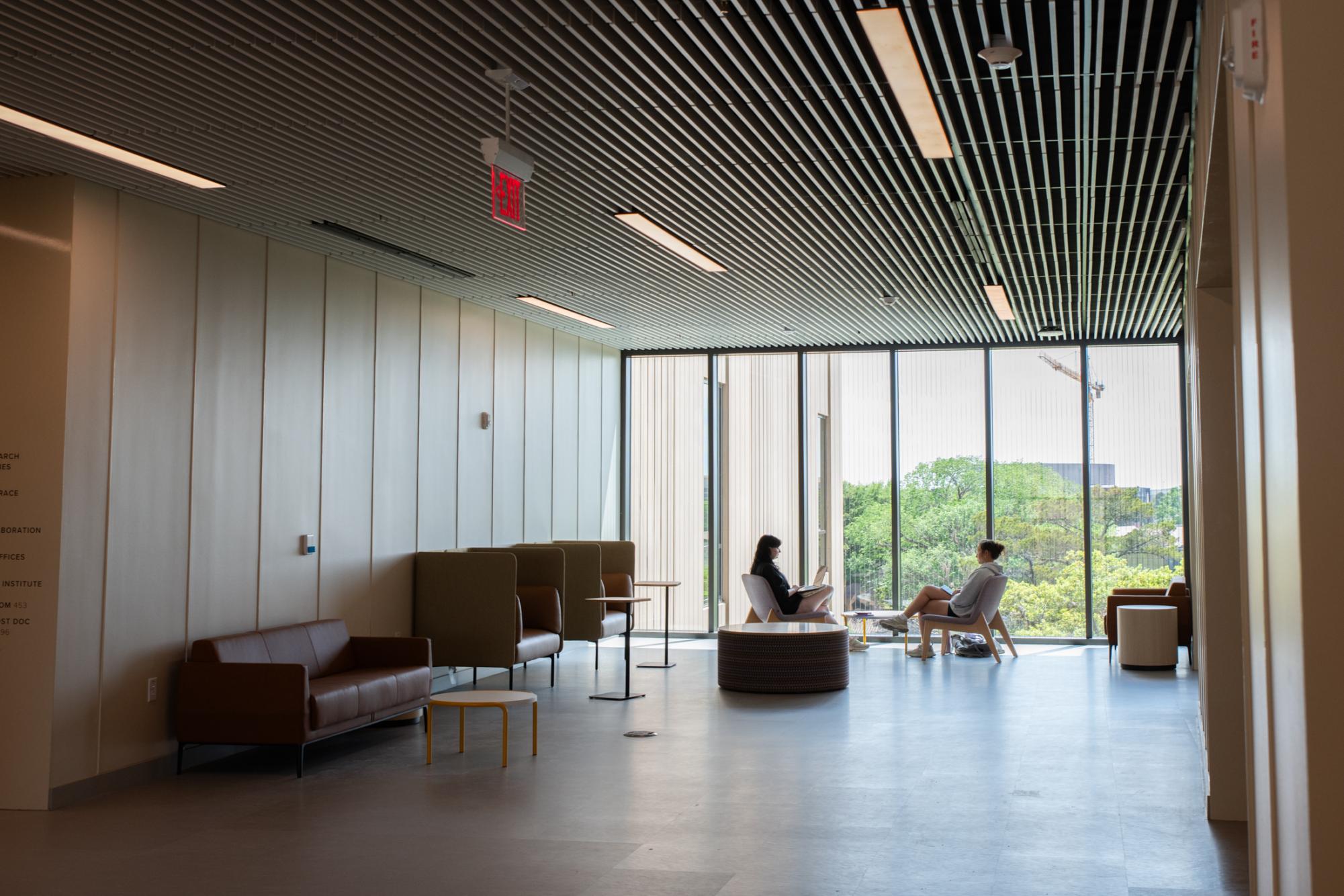
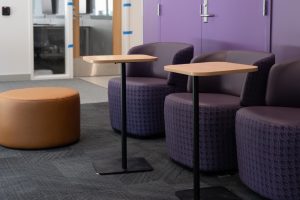
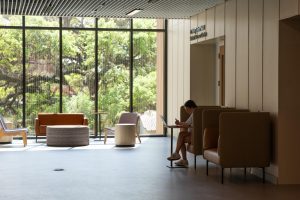
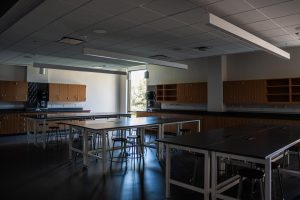
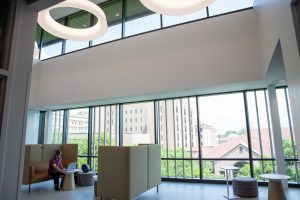
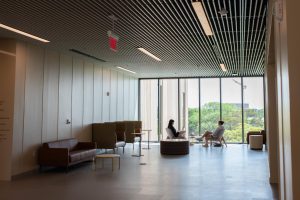
The approximately 140,000-square-foot building includes 18 teaching labs for introductory biology and chemistry courses, 16 research labs and space for nearly 100 graduate students. It also features a 250-seat auditorium, student collaboration areas and specialized research facilities.
Morgan Kelly, associate dean for research and administration in the College of Science, said the building’s design is what makes it stand out.
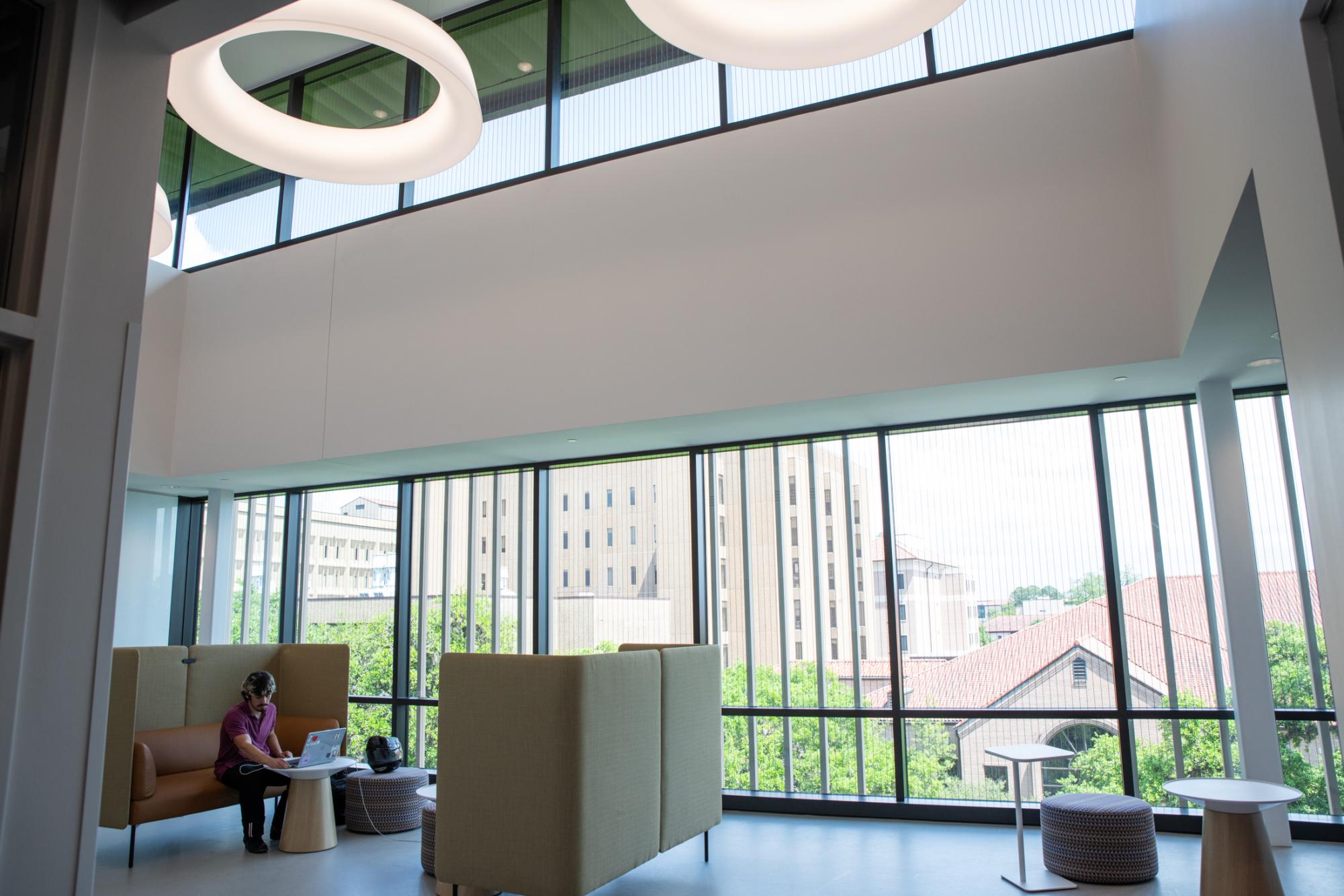
“This building was designed with interdisciplinary collaboration in mind,” Kelly said. “We have spaces on every floor where people can work together — even internationally.”
Kelly, who is also a biological sciences researcher, recently moved her own lab into the building. She said the project has been years in the making, with planning efforts beginning as early as 2019.
“We are so excited to open this building,” Kelly said. “It creates an environment where researchers and students can really work together across disciplines.”
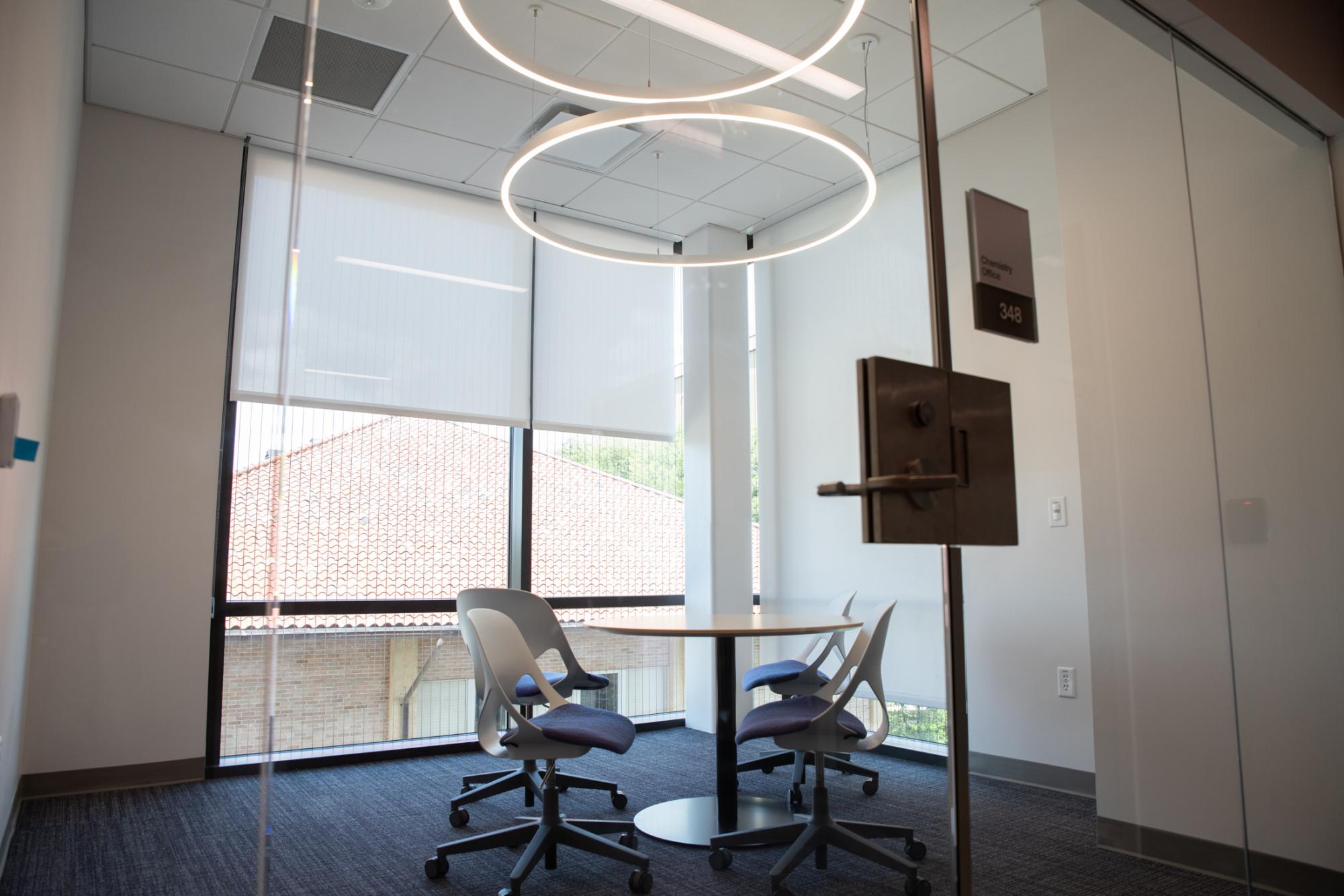
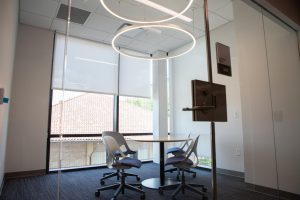
The building includes state-of-the-art meeting rooms that allow real-time collaboration with researchers around the world, as well as modern lab spaces designed to support both teaching and advanced research.
New experience for students
For students that have already been using the building, the difference is already being felt.
When asked about his favorite part of the building, Cristian Perez, a senior pursuing a doctorate in biological sciences, said, “Honestly, everything is amazing.”
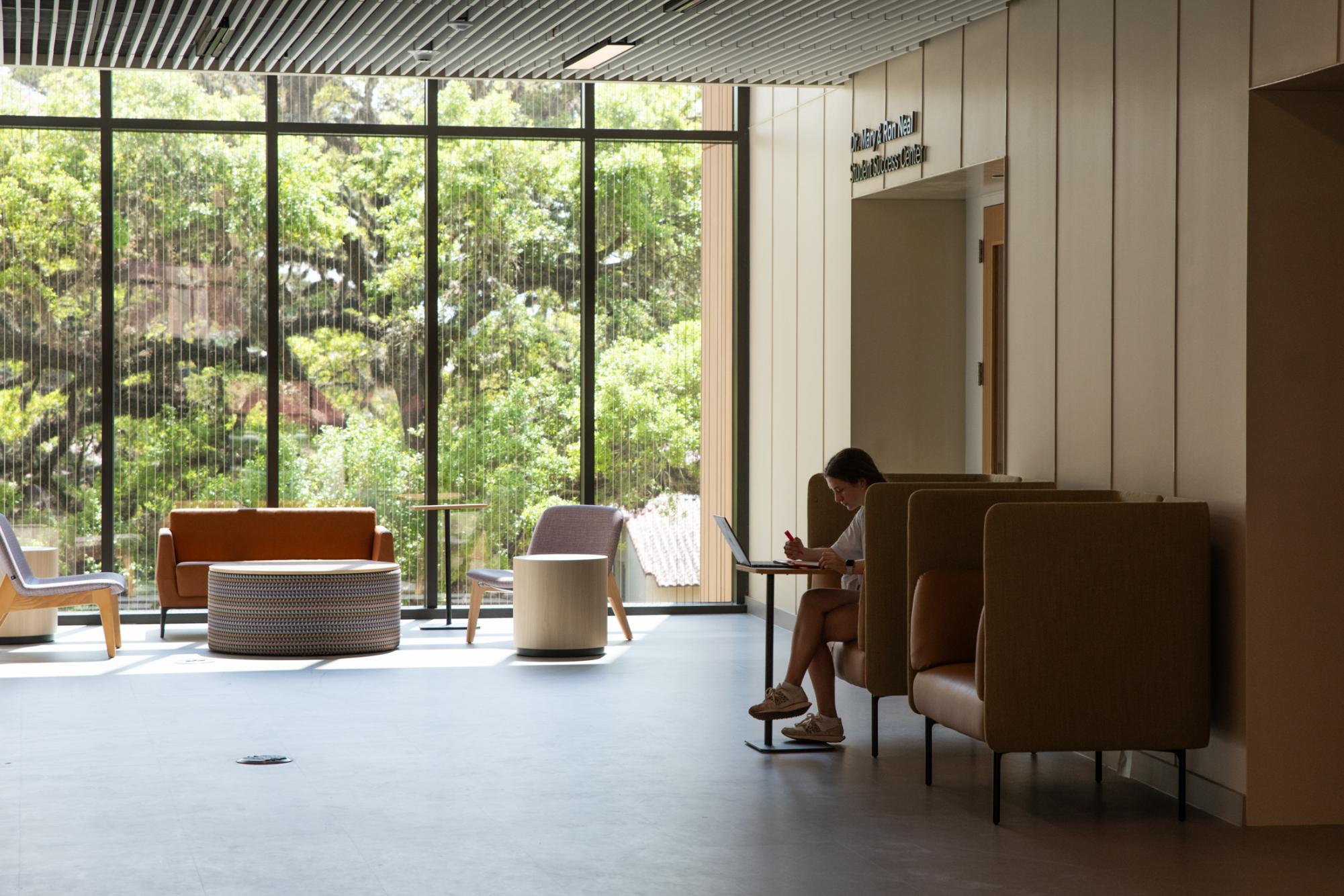
Perez said his previous lab space lacked natural light and opportunities for interaction with other researchers. The new building, by contrast, is designed with open layouts and windows throughout.
“Before, our lab was in the middle of a building, so it was dark all the time,” Perez said. “Now we have windows everywhere, and I think that really improves your mood.”
Perez also noted how the layout of the labs have improved efficiency due to the equipment being in a more centralized space.
“It makes everything more efficient,” Perez said. “The space is designed to be optimized, and it makes you feel more motivated — especially when you’re working long hours.”
The building is set to host introductory biology, chemistry and physics labs, allowing students to gain hands-on experience early in their academic careers. Glass-walled labs also give prospective students the opportunity to see classes in action during campus tours.
Beyond improving student experience, university officials say the building will play a major role in expanding LSU’s research capabilities.
The facility includes advanced research labs, such as the Harrison Trace Metals Lab, which will support specialized scientific work not previously possible at LSU.
LSU’s science programs already contribute more than $100 million annually to Louisiana’s economy, and leaders say the new building will further strengthen that impact.
Partnership focused on Louisiana’s future
The project was made possible through a combination of state funding and private investment, including support from healthcare partners.
E.J. Kuiper, president and CEO of FMOL Health, said the building reflects LSU’s ongoing partnership with his organization.
“We’re very excited — this is another example of our championship partnership with LSU,” Kuiper said. “We’re going to train the next generation of scientists, healthcare leaders and researchers.”
Kuiper emphasized the importance of investing in education to address workforce challenges in Louisiana, particularly in healthcare and science fields.
“We know there’s a lot of talent in Louisiana, but we also see some talent leaving the state,” he said. “That’s why it was so important to be part of this state-of-the-art facility.”
He said the building will help prepare students for careers in fields such as nursing, medical technology and other health professions while strengthening the state’s workforce.
Looking ahead
As students begin using the space for classes this fall, the Our Lady of the Lake Health Interdisciplinary Science Building is expected to become a central part of LSU’s academic and research landscape.
From advanced research labs to collaborative learning spaces, the building represents a long-term investment in both student success and scientific innovation.
For students like Perez, the impact is already clear.
“It’s just a better environment to work in,” he said. “Everything is designed to help you succeed.”
Building outline
Floor 1: welcome, convene and learn
LCMC Health Auditorium , LCMN Health Student Commons, Ann & Clarence Cazalot Active Learning Wing, Ann & Bill Harrison Data Visualization lab, and the Applewhite Bozeman Dean’s Garden
Floor 2: Student success & core teaching laboratories
Dr. Mary and Ron Neal Science headquarters, student success center and laboratory wing
Floor 3: teaching laboratories & academic capacity
Teaching laboratories and the Ann & Clarence Cazalot board room
Floor 4: research & interdisciplinary collaboration
Shell Research Laboratories, Shell Interdisciplinary Collaboration Zone and Ann & Bill Harrison Trace Metals lab