DBU: since the 2010s, LSU football and its airtight defensive secondary have been known by the three-letter moniker meaning Defensive Back University.
Patrick Peterson, Eric Reid, Tyrann Mathieu, Jamal Adams, Tre’Davious White, Greedy Williams, Grant Delpit, Derek Stingley — the list can extend for ages.
LSU’s defense has hosted elite talent in the secondary who can hold opponents to low scores with relative ease. That changed after LSU’s 2019 championship season.
While playing a 10-game, SEC-only schedule in 2020, the Tigers didn’t put up much of a fight on the defensive end. They allowed nearly 150 more yards per game than the previous year, adding up to 492 yards per game and 323 in passing.
In hindsight, that season proved to be an extreme, but it did set the stage for the following years of LSU’s defensive struggles. Over the next four years, LSU allowed an average of 379 yards per game and 231 in passing.
There were changes to be made, and in January 2024, LSU rehired secondary coach Corey Raymond, the man who helped shape DBU during his tenure at LSU from 2012 to 2021 under the same title.
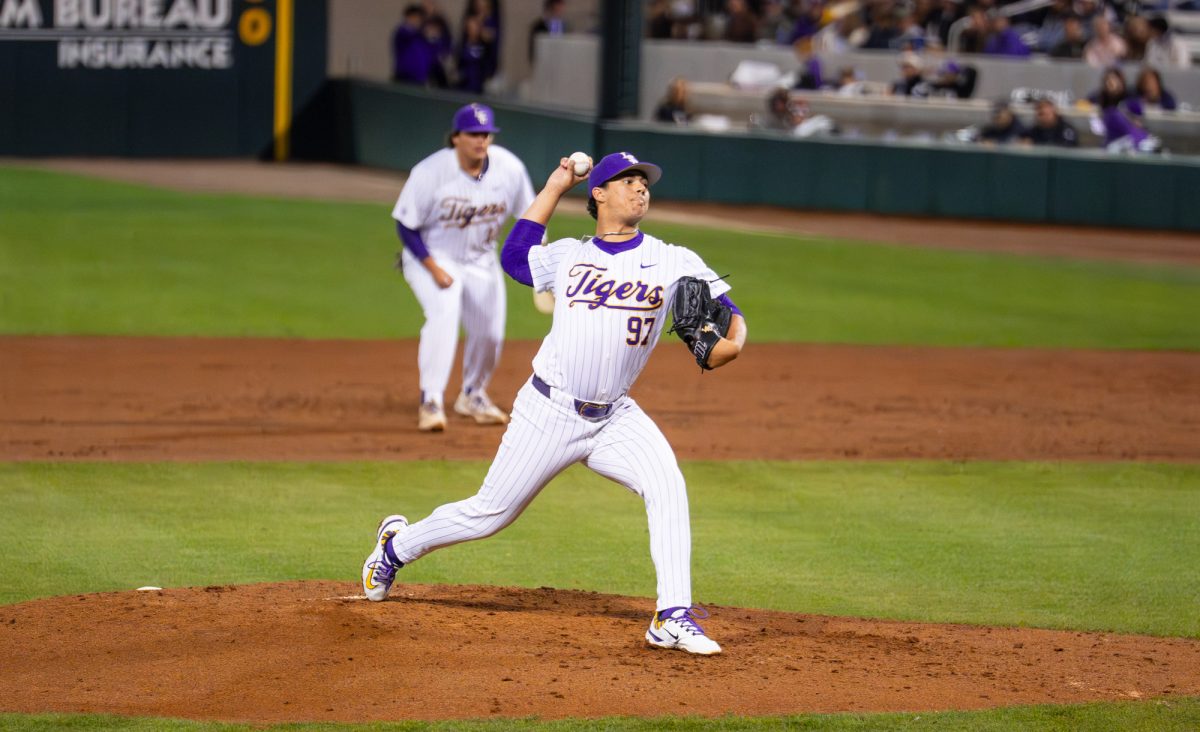
In 2025, LSU overhauled the secondary after graduates and transfers departed. The team added weapons, including freshman star DJ Pickett and transfers Mansoor Delane, AJ Haulcy, and Tamarcus Cooley. Returning sophomores PJ Woodland and Dashawn Spears are also making major impacts for DBU.
The rebuilt secondary helped LSU hold opponents to 208.6 passing yards per game through the first five games of the season. This mark almost matches the 2022 team, which allowed 206.2, and is more in line with prime DBU teams, which often allow less than 200.
Opposing teams have only gained 293 yards per game against the new-age Tiger defense. This is the lowest mark since the 2011 team, which allowed 261.5 and made it to the Bowl Championship Series National Championship.
Part of the reason LSU has been able to stop opponents from gaining yards is by simply ending their possessions.
In the first five games of the year, LSU has already intercepted seven passes, one more than last year in its entirety. Five of those came against Florida, one being a pick-six that broke open the game before the fifth iced it.
This new LSU defense has not only intercepted opponents and stopped them from gaining yards, as seen in the Les Miles and early Ed Orgeron days, but has also kept offenses from scoring points at a near-unprecedented rate.
The Tigers have held opponents to an average of 12.2 points per game, a number unfathomable in 2023 or 2020, when opponents were racking up 28 and 35 points per game.
LSU’s opponents’ points per game are only beat out in recent history by the 2011 team, which held teams to 11.3.
Hired in 2024, defensive coordinator Blake Baker from Missouri, and Raymond have brought the LSU defense back from the failures of previous years. They are revitalizing DBU and the defense as a whole, along with the help of a star-studded linebacker room.
Whit Weeks and Harold Perkins Jr. headline the linebacker core Baker has nicknamed the ‘Bayou Bandits’. Both players returned this year from major injuries and are making their last year in the purple and gold count.
Perkins, given the famed number seven jersey last year, has reclaimed his spot at the “star” position and played like his breakout freshman self. His 2024 season was cut short when he tore his ACL in the fourth game.
The tradition of passing down number seven to an elite playmaker began with defensive stars. Ali Highsmith started the trend with his prominence on the field, which ended with a national championship in his final season with the Tigers.
Peterson took over the number and solidified its history before the likes of Mathieu, Delpit and Stingley helped make it what it is today.
Perkins’ versatility is what sets him apart. Whether blitzing, acting as a quarterback spy or sent into pass coverage, Perkins is making life a nightmare for opposing offensive coordinators and quarterbacks.
In the fourth quarter of the season opener against Clemson, Perkins’ elite closing speed forced a fourth-down incompletion to ice the game in favor of the Tigers.
Even when he’s not involved in the play, Perkins is disruptive by simply being on the field.
The numbers indicate that DBU is back at LSU. Playmakers in the secondary have been the difference for this defense.
Through five games, the LSU secondary looks better than it has in years; the only question is if it will continue to.
In the Brian Kelly era, many successful starts faltered midway through the season, and LSU still has the toughest part of its schedule to manage.
The team will soon face upper-level quarterbacks, including South Carolina’s LaNorris Sellers, Vanderbilt’s Diego Pavia and Texas A&M’s Marcel Reed. Last year, Sellers and Reed both had their way against the Tiger defense.
The hardest tests are still ahead for LSU, and the defense must continue its accelerated start to help the team achieve success.