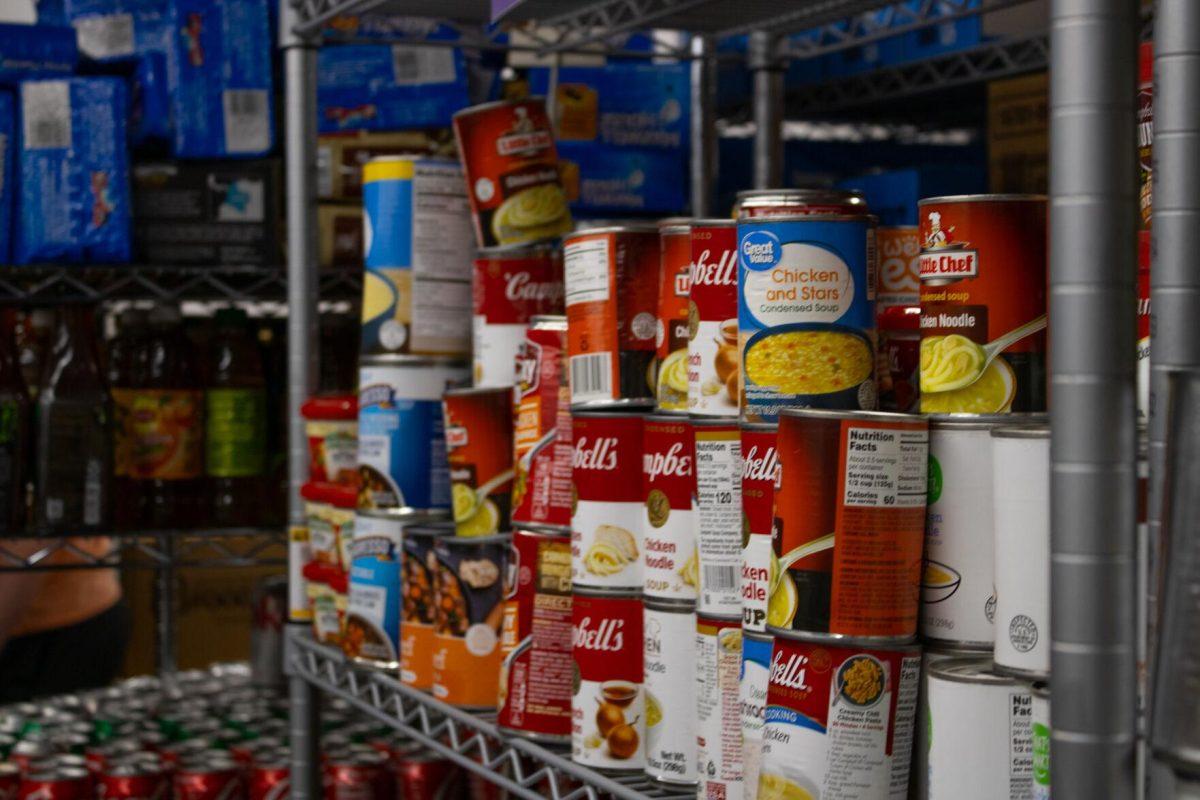
Before discussing why banning sweets from SNAP is neither dehumanizing nor shortsighted, it’s essential to understand what SNAP is at its core. SNAP stands for the Supplemental Nutrition Assistance Program. The program’s primary goal is to help with purchasing food for those with low income. In other words, its main purpose is to prevent people from going hungry.
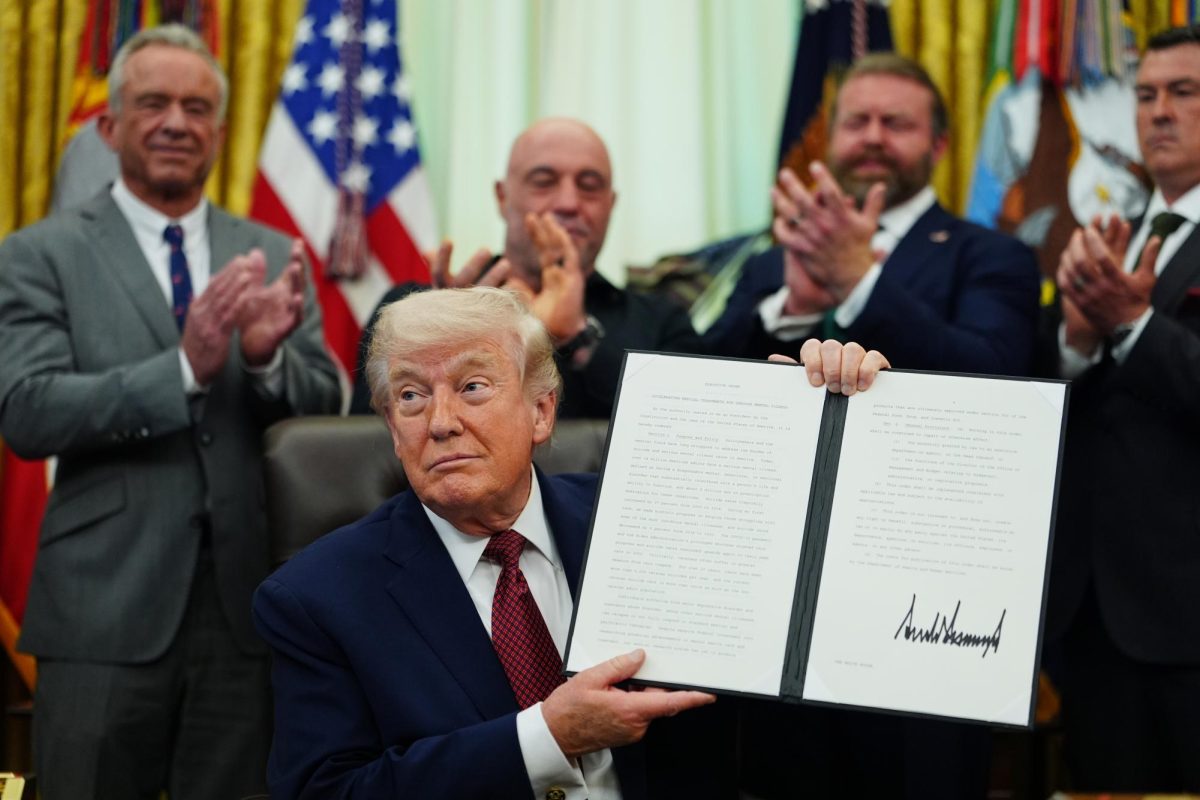
Today, when I picked up The Reveille, there was an opinion column about SNAP and the recent push to remove sugary and unhealthy foods from the program. I, for one, support this push, but reasonable minds can differ. So, I thought I would provide a counterargument to the column.
From the column, I identified three main points. First, banning “pleasurable foods” from SNAP is dehumanizing. Second, that the ban will harm children and create inequality. Third, the article suggested that politicians’ motives are misguided and hypocritical.
First, banning foods from SNAP is not dehumanizing. Using terms like “incentivized” is to represent the encouraging of responsible decision making without disrespecting recipients. These policies aim to support healthier habits. It’s to help families manage limited resources more effectively. SNAP participants are guided, not punished, and are not treated as inferior for needing help.
Second, the article claimed that the ban will harm children and create inequality. The idea that it will harm children is overstated. SNAP’s purpose is to provide nutrition, not to guarantee candy at every checkout. The program should be designed to prioritize healthy foods, especially in communities where unhealthy options are often cheaper and more accessible than fresh produce and meats. Regarding inequality, SNAP is already targeted at low-income families, meaning the program provides support where it’s needed most. Restricting sugary items doesn’t worsen inequality.
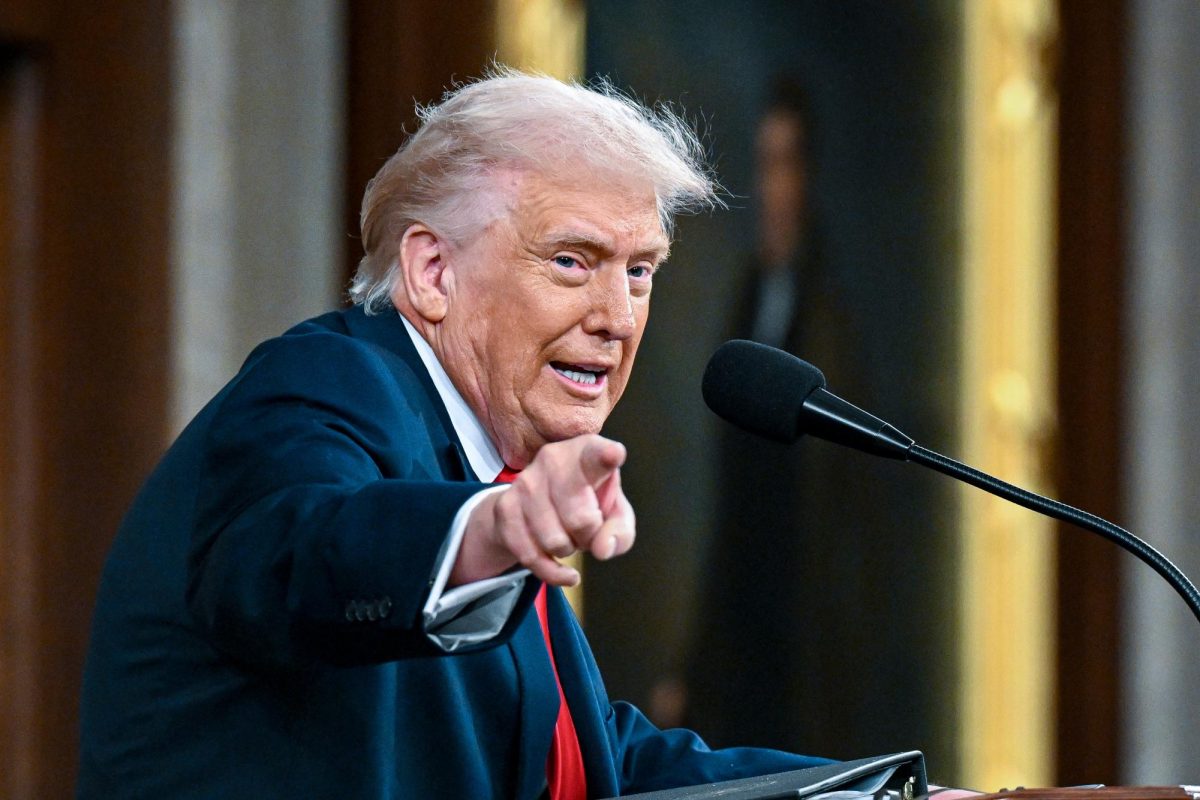
Third, the article suggested that politicians’ motives are misguided and hypocritical. Whether representatives buy unhealthy food in their homes does not change the policy’s intention, which is to promote nutrition. SNAP recipients remain free to make their own choices outside the program and about what they wish to purchase with their money.
To understand my next point, you must know what a food desert is: a place where there is limited access to affordable, nutritious food. This lack of access often forces people to buy highly processed foods, which can increase rates of obesity.
Now, imagine you run a store. There is only so much demand for healthy options at prices you can afford to offer to the public. These healthier foods spoil more quickly and require far more upkeep. Now imagine that a program encourages the purchase of healthier foods. With increased demand, your store can buy healthier foods in larger quantities at lower per unit prices. As demand increases, the quality and variety of available healthy foods will also improve. Finally, healthcare: according to the Kaiser Family Foundation in 2022, 78% of SNAP recipients are covered by Medicaid. If these individuals had access to healthier foods, they would lead healthier lives, which would reduce healthcare costs. At the end of the day, that is what the program plans to do.
In conclusion, banning sugary foods from SNAP is neither dehumanizing nor shortsighted. It aligns with the program’s core mission: ensuring that low-income families have access to nutritious food. Far from limiting choice, it encourages families to make healthier decisions. Furthermore, promoting healthier eating has tangible long-term benefits, from reducing diet related illnesses to lowering healthcare costs. Rather than seeing this policy as punitive, it should be viewed as a step toward improving public well-being.
Jackson Airey is an 18-year-old management major from Slidell, La.