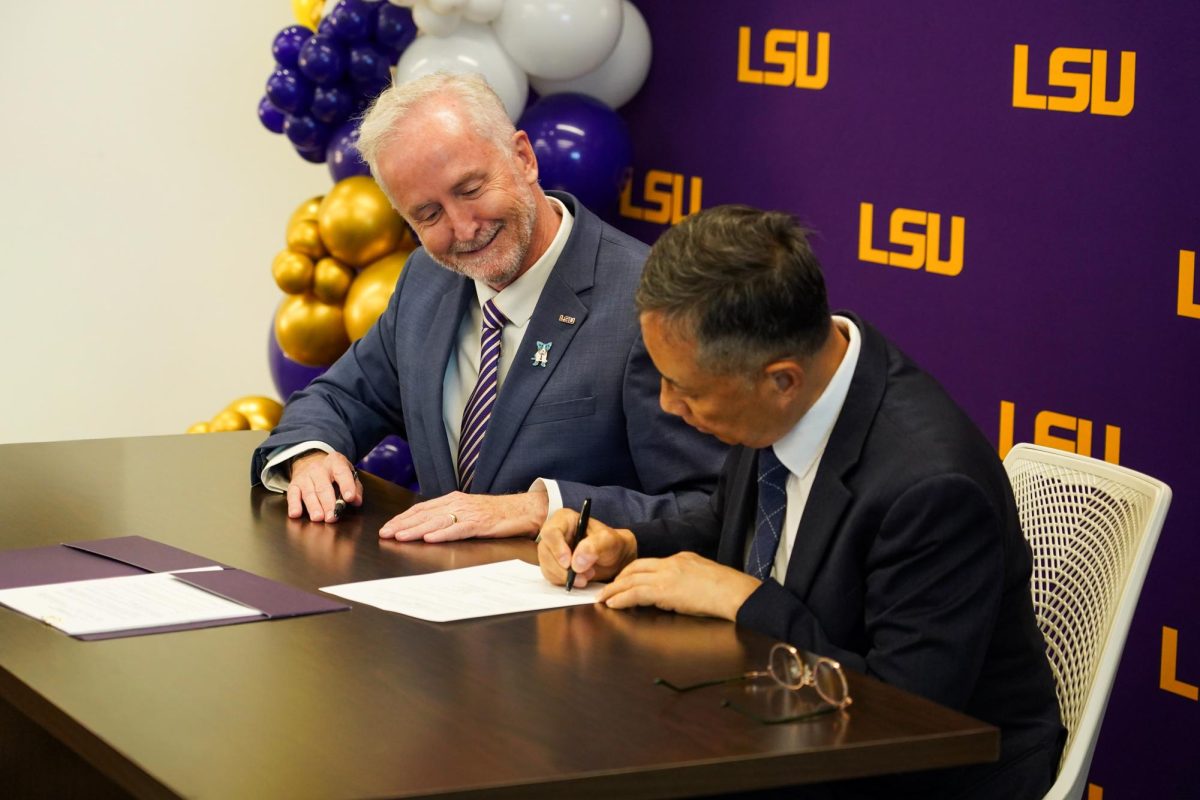
LSU’s School of Information Studies received a $90,000 grant to continue producing training on preserving Vietnam-era records, making a difference in the lives of countless veterans and their families.
Edward Benoit III, a professor at LSU and the interim director of the School of Information Studies, originally founded the project in 2019. He worked with recent veterans, who mostly served in Iraq and Afghanistan, to preserve records like letters sent home and pictures taken while in service that were not yet digitized.
The first stage of this project ended with the publication of two educational modules about maintaining documents, with one geared towards veterans and the other to archivists and librarians. This created the opportunity for libraries and collections across the country to reach veterans and provide assistance.
But the project did not stop there. Benoit began looking for other groups of veterans that needed assistance with preserving records. He was specifically interested in an aging group of veterans, as their records were most likely to be lost first. This search led to the Vietnam era, where 30% of today’s veterans served.
“It made sense that if we were going to try and focus on one of the aging groups, that would be Vietnam veterans,” Benoit said.
To continue the work already underway, Benoit applied for a grant through the Institute of Museum and Library Services, the federal agency that funded his previous work. Though he was worried about funding cuts at the national level impacting the grant, the institute directed $90,000 toward the second stage of Benoit’s project and he was able to get to work.
For this section of the project, Benoit and Kent State professor Heather Soyka are creating training for veteran services or librarians to use directly with veterans.
“We can have a bigger impact by helping other people do the training itself,” Benoit said. “It is a great way of taking what, in the grand scheme of grant funding, is a relatively small grant.”
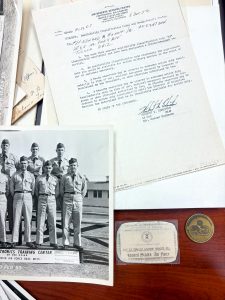
Once implemented, the knowledge gained in the training will assist veterans and their families with a variety of obstacles. Official records can be lost, making it difficult for veterans to apply for benefits they are entitled to. With proper preservation of official and unofficial records, veterans can get access to life-changing assistance, like healthcare and financial support.
This also applies to veterans’ family members who may be entitled to their own benefits.
Although this project officially encourages veterans to preserve records to receive assistance, it also guides families on record keeping for their own sake. Through this process, families gain memorabilia from their relatives’ service and get the opportunity to connect with their loved one on a new level.
“Being able to unpack service records, along with personal records, photographs, with their own memories of what it was like when their spouses were in service, is a powerful thing for a family,” Soyka said.
Families get the opportunity to connect with their veterans through this project, as well as preserve their story for generations to follow.
“There are certain things that have so much memory and stories embedded in them, but if that is not passed on, then it is just an object,” Benoit said.
The project brings together professors and students from different universities to work together to preserve history. Graduate students work alongside Benoit and Soyka to gain research experience and further their education.
Benoit said the goal of research is to make a difference in the surrounding community. He believes that this project will continue to inspire the country to preserve veteran records and keep their stories alive.
“This project allows us to bring our students and expertise together with community members to think about these veterans and their families if they are not already represented,” Soyka said.