With November coming to a close and the cooler winter months rolling in, it’s time to start planting.
Despite misconceptions, the prime time to plant fruits and vegetables is the late fall, not the spring.
“You want to get them out during this cold season,” said Denyse Cummins, an extension horticulturalist at the LSU AgCenter.
By planting fruits like strawberries in the late fall, they have the time to sit through the winter and start blooming and producing fruit around February. Even though it looks like plants are just “sitting there” in the winter, Cummins said, there is a lot more going on underground. These plants are growing roots and accessing all of the nutrients during these colder months.
When it warms up in the spring, the fruit plants get the push to grow. Since they had time to grow over the winter, Cummins said the plants have something to fall back on when it stops raining and gets hot.
Some of the fruits that are best to plant now through February are apples, blackberries, figs, peaches and plums.
Alongside other horticulture professors, Cummins contributed to the creation of a “Sustainable Gardening” guide.
“The whole concept behind it is that you are going to garden in such a way as to leave the environment as good or better as when you started,” Cummins said.
Carl Motsenbocker, a horticulture professor at LSU and the executive director of the Louisiana Farm to School Program, said that the guide is a part of their work. It is based on temperature zones throughout the state and shows when it is best to plant different fruits and vegetables.
While it might be best to plant strawberries in November, other crops like tomatoes should be planted from March to May.
Beyond the guide, Motsenbocker and his team put together detailed guides of different crops, which can be found on the Seeds to Success website. The details include more than just planting times, including the history about where certain plants are from and how their cultivation began. Their largest guide is on tomatoes and how to grow them successfully in the high temperatures of Louisiana summers.
“Heat-tolerant tomato cultivars are used in Louisiana summer heat,” Motsenbocker said.
Alongside history, culture plays a big role in planting and gardening. Cummins said that cultural practices are when someone repeats something out of habit. In relation to gardening, maybe it was because they saw a relative do it or maybe it is an activity that has grown on them from their community.
The AgCenter offers advice on preventive methods that make plants easier to grow and require less labor. Here are some steps that Cummins recommended repeating:
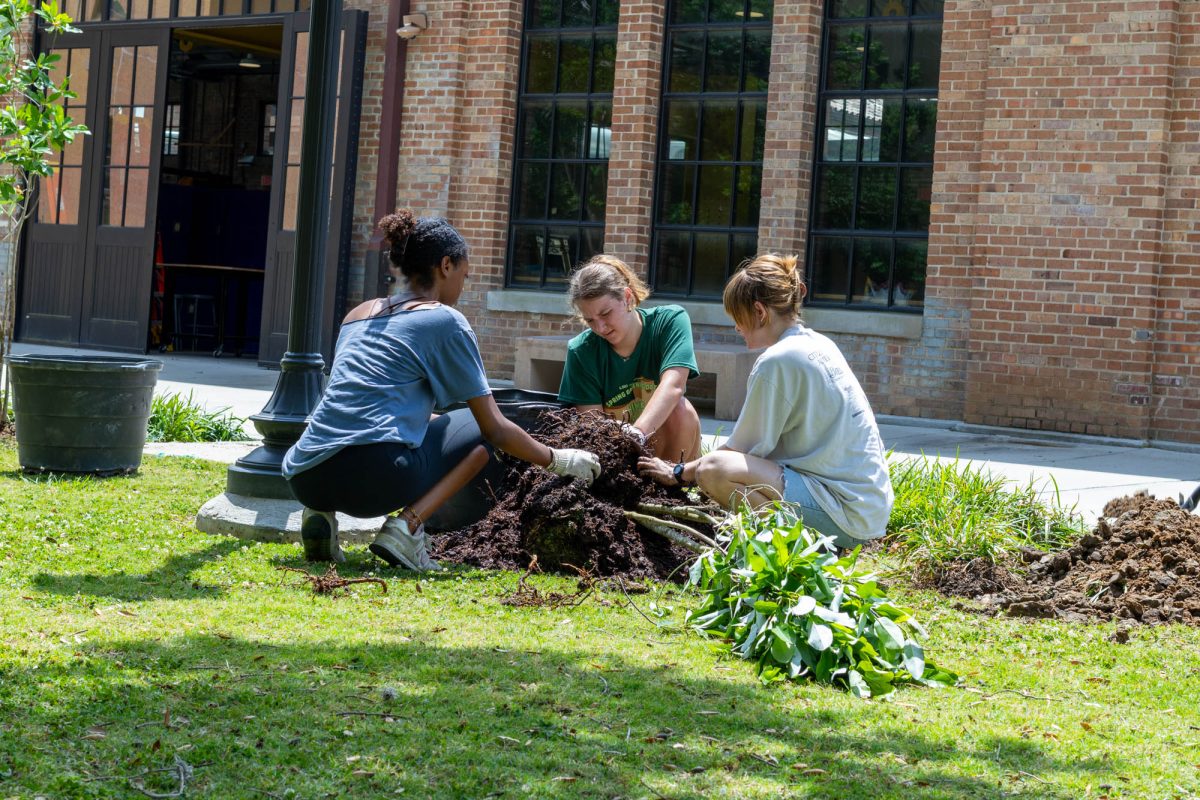
- Keep soil covered at all times, especially during the winter
- Keep up with fertilizer and put it down when you first plant because it gives the plant a little more as it grows
- Grow plants at the right time
- Use a lot of mulch on top of the soil because it gives the soil nutrients and organic matter
Learning how to be a sustainable gardener leaves the soil better than when it was found, Cummins said. Paying attention to these tips not only makes gardening easier and more productive, but also more mindful.
“These are practices and things that your grandfather did and you know they kind of got forgotten and a lot of people don’t know about them,” Cummins said.